

Can an Aluminium Crimping Machine be used for crimping aluminium alloy materials?
Hey there! As a supplier of Aluminium Crimping Machines, I often get asked this question: Can an Aluminium Crimping Machine be used for crimping aluminium alloy materials? Well, let's dive right in and explore this topic.
First off, let's understand what aluminium alloys are. Aluminium alloys are mixtures of aluminium with other elements. These elements can include copper, zinc, magnesium, silicon, and manganese, among others. The addition of these elements enhances the properties of aluminium, such as strength, hardness, and corrosion resistance. Different alloys have different compositions, which means they have different physical and mechanical properties.
Now, let's talk about aluminium crimping machines. These machines are designed to join two or more pieces of aluminium or aluminium - related materials by deforming them. The basic principle of a crimping machine is to apply pressure to a connector or a joint, causing it to compress and form a secure bond.
So, can an aluminium crimping machine handle aluminium alloy materials? In most cases, the answer is yes. Aluminium crimping machines are pretty versatile. They are built to work with various types of aluminium - based materials, and aluminium alloys fall right into that category. However, there are a few factors to consider.
Compatibility of the Aluminium Alloys
Some common aluminium alloys, like 6061 and 6063, are widely used in the industry. These alloys are relatively easy to crimp with a standard aluminium crimping machine. They have good ductility, which means they can be deformed without cracking or breaking easily.
On the other hand, some high - strength aluminium alloys, such as 7075, are more challenging to crimp. These alloys are heat - treated to achieve high strength, but this also makes them less ductile. When using an aluminium crimping machine on high - strength alloys, you might need to adjust the machine settings. You may need to increase the crimping force or use a different crimping die to ensure a proper and secure crimp.
Crimping Force and Pressure
The crimping force is a crucial factor when it comes to crimping aluminium alloy materials. Different alloys require different amounts of force to achieve a good crimp. A machine that is set for pure aluminium might not provide enough force for a high - strength alloy. Most modern aluminium crimping machines allow you to adjust the crimping force. You can usually do this by changing the hydraulic pressure settings if it's a hydraulic crimping machine or by adjusting the mechanical components if it's a manual or electric machine.
Crimping Dies
The crimping dies play a vital role in the crimping process. They are the parts of the machine that come into direct contact with the material and shape the crimp. For aluminium alloy materials, you need to choose the right type of crimping dies. The dies should be designed to fit the specific dimensions and shape of the alloy components you are crimping.
Some crimping machines come with a set of interchangeable dies, which is really handy. You can switch between different dies depending on the alloy you are working with. For example, if you are crimping a thin - walled aluminium alloy tube, you'll need a die with a different profile than if you are crimping a thick - walled rod.
Surface Finish and Coating
Aluminium alloys can have different surface finishes and coatings. Some alloys might have a natural oxide layer, while others could be coated with paint, powder coating, or anodizing. These surface treatments can affect the crimping process.
A smooth, clean surface is always better for crimping. If the alloy has a rough or coated surface, it might interfere with the crimping operation. In some cases, you may need to remove the coating or clean the surface before crimping. However, be careful not to damage the alloy during the cleaning process.
Applications of Aluminium Alloy Crimping
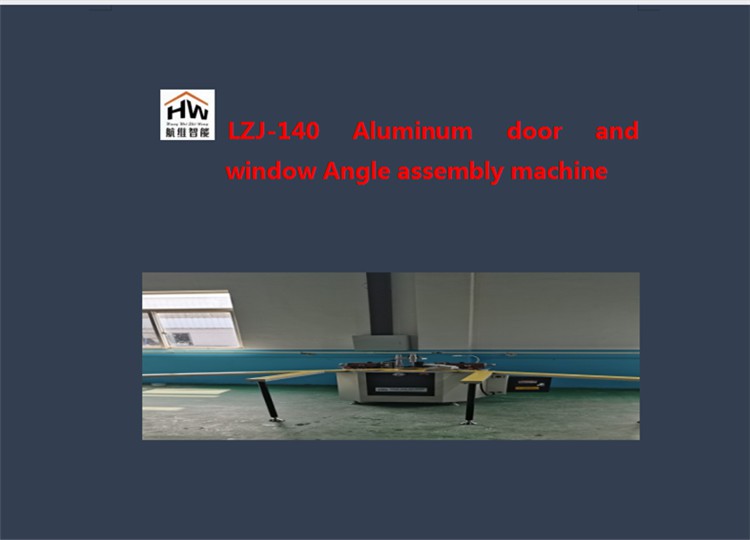
There are many applications where crimping aluminium alloy materials is essential. One of the most common applications is in the construction of Aluminium Window Crimping Machine. Aluminium alloys are widely used in window frames because of their strength, light weight, and corrosion resistance. A reliable crimping machine is needed to join the different parts of the window frames securely.
Another application is in the automotive industry. Aluminium alloys are used in various automotive components, such as engine parts, body panels, and suspension systems. Crimping is used to assemble these components, and an aluminium crimping machine is the tool of choice for achieving a strong and durable connection.
The aerospace industry also relies heavily on aluminium alloy crimping. Aluminium alloys are used in aircraft structures because of their high strength - to - weight ratio. Crimping is used to join different parts of the aircraft, ensuring the safety and performance of the aircraft.
Our Aluminium Crimping Machines
As a supplier of Aluminium Crimping Machines, we offer a wide range of machines to suit different needs. Our machines are designed to be user - friendly and efficient. They are made with high - quality materials and advanced technology, ensuring reliable performance.
Whether you are working with common aluminium alloys or more challenging high - strength alloys, our machines can be adjusted to meet your requirements. We also provide a variety of crimping dies to ensure that you can achieve the perfect crimp for your specific application.
If you are in the market for an Aluminum Window Corner Crimping Machine or a Corner Crimping Machine for Aluminum, we've got you covered. Our machines are suitable for both small - scale workshops and large - scale industrial production.
Conclusion
In conclusion, an aluminium crimping machine can generally be used for crimping aluminium alloy materials. However, you need to consider factors such as the type of alloy, crimping force, crimping dies, and surface finish. With the right machine and proper adjustments, you can achieve excellent crimping results for all your aluminium alloy applications.
If you have any questions about our Aluminium Crimping Machines or need advice on crimping aluminium alloy materials, don't hesitate to reach out. We're here to help you make the right choice for your business. Let's start a conversation and see how we can work together to meet your crimping needs.

References
- ASM Handbook Volume 2: Properties and Selection: Nonferrous Alloys and Special - Purpose Materials
- Aluminum Association Technical Papers on Aluminium Alloys and Fabrication Processes