

What is the chip removal method of an aluminum end milling machine?
As a well - established supplier of Aluminum End Milling Machines, I am frequently asked about the chip removal methods of these essential industrial tools. In this blog, I will delve into the various chip removal techniques employed in aluminum end milling, their advantages, disadvantages, and how they impact the overall performance of the machining process.
Importance of Chip Removal in Aluminum End Milling
Before we explore the specific methods, it's crucial to understand why effective chip removal is so vital in aluminum end milling. Aluminum is a soft and ductile metal, which means that during the milling process, it tends to produce long, stringy chips. If these chips are not removed promptly, they can cause a multitude of issues.
Firstly, chips can interfere with the cutting tool's path, leading to poor surface finish on the machined part. The trapped chips can scratch the workpiece, leaving behind rough and uneven surfaces, which may not meet the required precision standards. Secondly, chips can cause the cutting tool to overheat. As the chips accumulate around the tool, they act as an insulator, preventing proper heat dissipation. This overheating can significantly reduce the tool life, increasing the frequency of tool changes and thus raising the production cost. Finally, excessive chip buildup can lead to machine jams, causing unexpected downtime and potentially damaging the machine components.
Common Chip Removal Methods
1. Flood Coolant
Flood coolant is one of the most widely used chip removal methods in aluminum end milling. This method involves continuously spraying a large volume of coolant directly onto the cutting area. The coolant serves multiple purposes.
Advantages
- Chip Flushing: The high - pressure stream of coolant effectively flushes away the chips from the cutting zone. The chips are carried away by the coolant, preventing them from getting tangled around the tool or accumulating on the workpiece.
- Cooling: Aluminum has high thermal conductivity. However, the milling process generates a significant amount of heat. The coolant helps to dissipate this heat, keeping the cutting tool and the workpiece at a reasonable temperature. This not only extends the tool life but also reduces the risk of thermal deformation of the workpiece.
- Lubrication: The coolant provides lubrication between the cutting tool and the workpiece, reducing friction. This results in smoother cutting and a better surface finish on the machined part.
Disadvantages
- Environmental and Cost Concerns: The use of coolant requires a proper coolant management system. There are costs associated with purchasing, storing, and disposing of the coolant. Additionally, coolant disposal can have environmental impacts if not handled correctly.
- Messy Operation: Flood coolant can make the machining area messy. The coolant may splash onto the machine, the floor, and other nearby equipment, requiring regular cleaning and maintenance.
2. Mist Coolant
Mist coolant is a more environmentally friendly alternative to flood coolant. In this method, a fine mist of coolant is sprayed onto the cutting area.
Advantages
- Reduced Coolant Usage: Mist coolant systems use a much smaller amount of coolant compared to flood coolant systems. This reduces the cost of coolant and also minimizes the environmental impact associated with coolant disposal.
- Good Chip Removal and Cooling: The mist can effectively reach the cutting area and remove chips. The small droplets of coolant also provide sufficient cooling to the tool and the workpiece.
- Less Mess: Since less coolant is used, there is less splashing and mess in the machining area.
Disadvantages

- Limited Cooling Capacity: Compared to flood coolant, mist coolant may not be as effective in dissipating large amounts of heat, especially in high - speed or heavy - duty milling operations.
- Health Risks: The fine mist can be inhaled by operators, which may pose health risks if the coolant contains harmful chemicals. Adequate ventilation is required to mitigate this risk.
3. Air Blowing
Air blowing is a simple and cost - effective chip removal method. It involves using a high - pressure air jet to blow the chips away from the cutting area.
Advantages
- Low Cost: There are no costs associated with purchasing and disposing of coolant. All that is required is a source of compressed air, which is commonly available in most industrial settings.
- Dry Machining: Air blowing allows for dry machining, which is beneficial in applications where the presence of coolant is not desirable, such as in some electronics manufacturing processes.
- No Contamination: Since there is no coolant involved, there is no risk of coolant contamination on the workpiece or the machine.
Disadvantages
- Limited Cooling: Air has a much lower heat - carrying capacity than coolant. As a result, air blowing provides minimal cooling to the cutting tool and the workpiece, which can lead to increased tool wear and reduced surface finish quality in some cases.
- Incomplete Chip Removal: Fine chips may not be completely removed by the air jet, and they may still remain in the cutting area or settle on the workpiece.
4. Vacuum Chip Removal
Vacuum chip removal systems are designed to suck the chips away from the cutting area. These systems are often used in combination with other chip removal methods, such as mist coolant or air blowing.
Advantages
- Efficient Chip Collection: Vacuum systems can effectively collect even the smallest chips from the machining area. This ensures a clean cutting environment, reducing the risk of chip - related issues.
- Improved Operator Safety: By removing the chips from the work area, vacuum systems reduce the risk of chips flying into the operator's eyes or other parts of the body.
- Environmental Benefits: The collected chips can be easily recycled, which is beneficial for the environment and can also reduce waste disposal costs.
Disadvantages
- High Initial Cost: The installation of a vacuum chip removal system can be expensive, including the cost of the vacuum unit, piping, and filters.
- Maintenance Requirements: Vacuum systems require regular maintenance to ensure proper operation. Filters need to be cleaned or replaced regularly to prevent clogging.
Factors Affecting the Choice of Chip Removal Method
1. Machining Operation
The type of milling operation, such as roughing or finishing, can influence the choice of chip removal method. Roughing operations typically generate a large volume of chips and produce more heat, so methods with high - capacity cooling and efficient chip flushing, like flood coolant, may be more suitable. Finishing operations, on the other hand, require a better surface finish, and methods that minimize chip - related scratching, such as mist coolant or a combination of air blowing and vacuum removal, may be preferred.
2. Workpiece Material
Although we are focusing on aluminum, the specific alloy of aluminum can also affect the chip removal method. Some aluminum alloys may produce more difficult - to - remove chips than others. For example, alloys with higher copper content may be more prone to forming long, stringy chips, which may require more aggressive chip removal methods.
3. Machine Design
The design of the aluminum end milling machine can also play a role in the choice of chip removal method. Some machines may be better suited for certain chip removal systems due to their layout, the location of the cutting area, and the availability of space for additional equipment. For example, a machine with a closed - type structure may be more suitable for a vacuum chip removal system, as it can more easily contain the chips and direct them to the collection unit.
Our Aluminum End Milling Machine Offerings
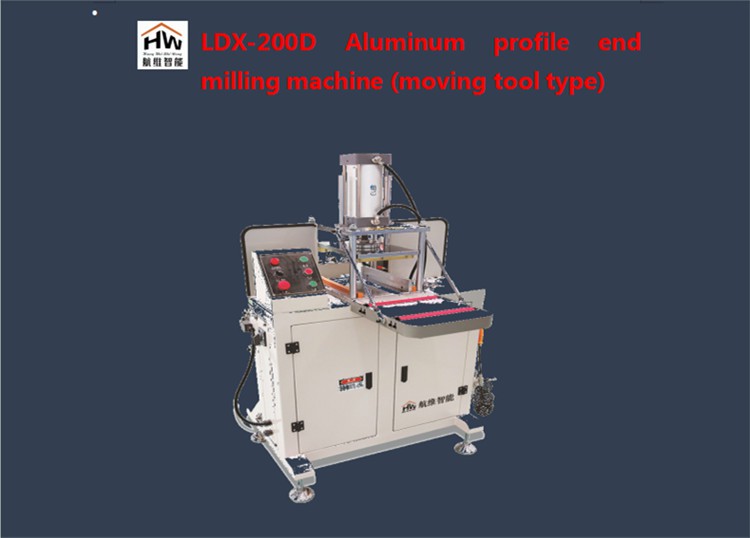
At our company, we offer a range of high - quality Aluminum Profile End Milling Machine. Our machines are designed to be compatible with different chip removal methods, allowing our customers to choose the most suitable option based on their specific requirements.
In addition, we also provide Aluminum Profile Tenon Milling Machine and Aluminum Profile CNC Tenon Milling Machine, which are equipped with advanced features to ensure efficient and precise milling operations.
Conclusion
Effective chip removal is essential for the successful operation of an aluminum end milling machine. By understanding the different chip removal methods, their advantages, disadvantages, and the factors that affect their choice, our customers can optimize their machining processes, improve the quality of their products, and reduce production costs.
If you are interested in our aluminum end milling machines or have any questions about chip removal methods, we welcome you to contact us for more information and to discuss your specific needs. Our team of experts is ready to assist you in finding the best solution for your machining requirements.
References
- Boothroyd, G., & Knight, W. A. (2006). Fundamentals of machining and machine tools. CRC Press.
- Trent, E. M., & Wright, P. K. (2000). Metal cutting. Butterworth - Heinemann.