

What safety precautions should I take when operating milling tenon equipment?
Operating milling tenon equipment requires strict adherence to safety precautions to protect operators from potential hazards and ensure the smooth running of operations. As a supplier of milling tenon equipment, I understand the importance of safety in the workplace. In this blog, I will share some essential safety precautions that should be taken when operating milling tenon equipment.
Pre - operation Safety Checks
Before starting the milling tenon equipment, a series of pre - operation checks are necessary. First, inspect the equipment's physical condition. Check for any visible signs of damage, such as cracks in the machine body, loose parts, or frayed cables. Any damaged components should be replaced immediately to prevent further problems during operation.
Verify that all safety guards are in place and functioning properly. Safety guards are designed to protect operators from moving parts, flying debris, and other potential dangers. For example, the guard around the cutting tool should be firmly attached and cover the entire cutting area. If a safety guard is missing or damaged, do not operate the machine until it is repaired or replaced.
Check the lubrication levels of the machine. Proper lubrication is crucial for the smooth operation of the equipment and can prevent overheating and premature wear of parts. Refer to the equipment's manual to determine the correct lubricant type and level. Fill or change the lubricant as needed.
Ensure that the power supply is stable and properly connected. Check the voltage and amperage requirements of the equipment and make sure the electrical outlet can provide the appropriate power. Loose or faulty electrical connections can lead to electrical shocks or equipment malfunctions.
Personal Protective Equipment (PPE)
Wearing appropriate personal protective equipment is non - negotiable when operating milling tenon equipment. Safety glasses are essential to protect the eyes from flying chips, dust, and debris. These glasses should have side shields to provide full protection.
Hearing protection is also necessary, as milling tenon equipment can produce high - decibel noise levels. Prolonged exposure to such noise can cause hearing loss. Operators can choose between earplugs or earmuffs, depending on personal preference and the level of noise reduction required.
A dust mask should be worn to prevent inhalation of dust and particles generated during the milling process. Some materials, such as wood or metal, can release fine dust that can be harmful to the respiratory system if inhaled.
Gloves are recommended to protect the hands from cuts, abrasions, and chemical exposure. However, be cautious when wearing gloves around moving parts, as they can get caught and cause serious injuries.
Finally, wear appropriate footwear with non - slip soles. This helps prevent slips, trips, and falls, especially in environments where there may be spills or debris on the floor.
Operating Procedures
When operating the milling tenon equipment, follow the correct operating procedures. First, familiarize yourself with the equipment's control panel and functions. Read the user manual thoroughly to understand how to start, stop, adjust, and maintain the machine.
Do not overload the equipment. Each machine has a specified capacity, and exceeding this capacity can lead to equipment failure, poor quality work, and safety hazards. For example, if the machine is designed to handle a certain size or thickness of material, do not try to process larger or thicker pieces.
Keep the work area clean and organized. Remove any clutter, tools, or debris from the vicinity of the machine. A clean work area reduces the risk of accidents and makes it easier to operate the equipment safely.
When loading and unloading materials, use proper lifting techniques. Bend at the knees, keep the back straight, and lift with the legs to avoid back injuries. If the material is too heavy or large to handle alone, seek assistance.

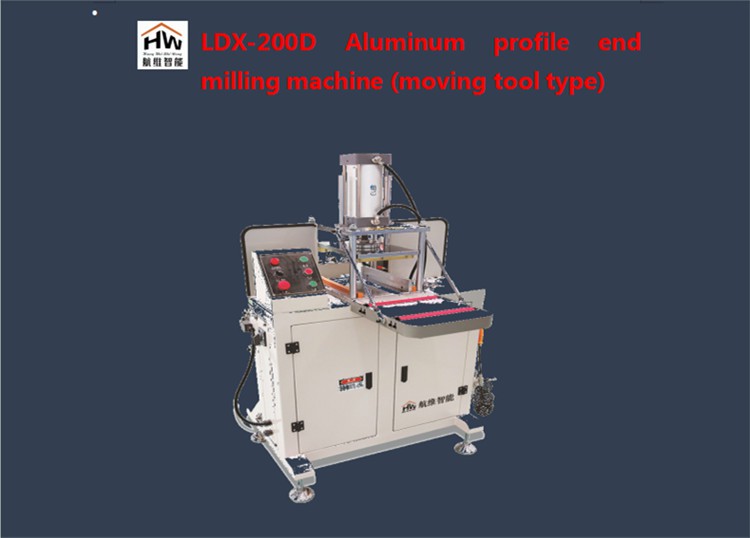
During the operation, do not reach into the moving parts of the machine. Wait for the machine to come to a complete stop before making any adjustments or cleaning. Do not attempt to clear jams or remove debris while the machine is running.
Maintenance and Inspection
Regular maintenance and inspection of the milling tenon equipment are essential for safety and performance. Establish a maintenance schedule based on the manufacturer's recommendations. This may include daily, weekly, monthly, and annual maintenance tasks.
During maintenance, clean the machine thoroughly to remove dust, chips, and debris. Lubricate the moving parts, check the belts and chains for tension and wear, and inspect the cutting tools for sharpness and damage. Replace any worn or damaged parts promptly.
Periodically inspect the electrical system for signs of damage, such as frayed wires or loose connections. Have a qualified electrician perform electrical maintenance and repairs if necessary.
Keep records of all maintenance and inspection activities. This helps track the machine's history, identify potential problems early, and ensure compliance with safety regulations.
Training and Education
Proper training is crucial for operators of milling tenon equipment. All operators should receive comprehensive training on the safe operation, maintenance, and troubleshooting of the equipment. The training should cover the topics mentioned above, including pre - operation checks, PPE usage, operating procedures, and maintenance.
Provide refresher training courses regularly to keep operators updated on the latest safety practices and equipment features. Encourage operators to ask questions and report any safety concerns or equipment malfunctions immediately.
Additional Resources
As a supplier of milling tenon equipment, we offer a range of high - quality products, including Aluminum Alloy Tenon Milling Equipment, Aluminum Profile Tenon Milling Machine, and Aluminum Window CNC Milling Machine. These products are designed with safety and performance in mind and are suitable for various applications.
Conclusion
Operating milling tenon equipment safely requires a combination of pre - operation checks, proper use of personal protective equipment, following correct operating procedures, regular maintenance, and adequate training. By taking these safety precautions, operators can minimize the risk of accidents and injuries, and ensure the long - term performance of the equipment.
If you are interested in our milling tenon equipment or have any questions about safety or operation, please feel free to contact us for procurement and further discussion. We are committed to providing you with the best products and services to meet your needs.
References
- Manufacturer's equipment manuals
- Occupational Safety and Health Administration (OSHA) guidelines for machinery safety
- Industry best practices for milling tenon equipment operation and maintenance