

What is the working environment requirements of an insulating glass washing machine?
Insulating glass, known for its excellent thermal insulation, soundproofing, and energy - saving properties, has become a staple in modern architecture. The process of producing high - quality insulating glass heavily relies on the capabilities and proper operation of an Insulating Glass Washing Machine. As a trusted supplier of these machines, I understand the significance of the working environment in ensuring the optimal performance of the equipment. In this blog, I'll delve into the key working environment requirements for an insulating glass washing machine.
Temperature and Humidity Control
Temperature
The temperature of the working environment plays a crucial role in the operation of an insulating glass washing machine. Ideally, the ambient temperature should be maintained between 10°C and 35°C. When the temperature is too low, around or below 10°C, the cleaning agents used in the machine may thicken. This thickening can reduce their flowability and cleaning efficiency, making it difficult to achieve thorough cleaning of the glass. Moreover, low temperatures may also cause the water in the machine to freeze if the equipment is not properly insulated, which can damage the pipes and valves of the washing system.
On the other hand, if the temperature exceeds 35°C, overheating of the machine's electrical components can occur. The motors, control panels, and other electronic parts may be damaged due to excessive heat, leading to malfunctions and a reduced lifespan of the machine. Additionally, high temperatures can cause the water in the washing tank to evaporate rapidly, increasing the concentration of cleaning agents and potentially leaving residues on the glass surface.
Humidity
The relative humidity in the working environment should be kept between 40% and 70%. High humidity levels, above 70%, can lead to condensation on the machine's metal parts. This condensation can cause corrosion, which not only affects the appearance of the machine but also weakens its structural integrity over time. In addition, high humidity may interfere with the electrical connections, increasing the risk of short - circuits and electrical failures.
Conversely, low humidity (below 40%) can generate static electricity. Static electricity can attract dust and debris, which may contaminate the cleaned glass. It can also cause problems with the operation of the machine's sensors and control systems, resulting in inaccurate readings and improper machine functions.
Ventilation
Adequate ventilation is essential for the working environment of an insulating glass washing machine. During the washing process, the cleaning agents and the water generate steam and fumes. Without proper ventilation, these substances can accumulate in the working area, creating a hazy and uncomfortable environment for the operators. Inhalation of the fumes from some cleaning agents can be harmful to human health, causing respiratory problems and irritation to the eyes and skin.
Moreover, good ventilation helps to control the temperature and humidity in the working area. It allows the heat generated by the machine's operation to dissipate, preventing overheating. It also helps to remove excess moisture, reducing the risk of condensation and corrosion. A well - ventilated environment can improve the overall working efficiency and the longevity of the machine.
Cleanliness
Dust and Debris
The working area around the insulating glass washing machine should be kept clean, free from large amounts of dust and debris. Dust can easily get into the machine's moving parts, such as the conveyor belts, rollers, and gears. Once inside the machine, the dust can act as an abrasive, accelerating the wear and tear of these parts. This can lead to premature breakdowns and an increase in maintenance costs.
In addition, dust and debris on the glass surface before it enters the washing machine can scratch the glass during the washing process, reducing the quality of the final product. Regular cleaning of the working area, including sweeping the floor and wiping down the machine's exterior, is necessary to maintain a clean working environment.
Contaminants in Water
The quality of the water used in the insulating glass washing machine is also of great importance. The water should be free from contaminants such as dirt, sand, rust, and chemical pollutants. Contaminated water can cause clogging of the machine's nozzles and pipes, reducing the water pressure and the effectiveness of the cleaning process. It can also leave residues on the glass surface, which may affect the subsequent production steps of the insulating glass.
To ensure the water quality, it is recommended to use a water filtration system. The filtration system can remove particulate matter and some dissolved impurities from the water, providing clean water for the washing machine.
Power Supply
Stability of Voltage and Frequency
The insulating glass washing machine requires a stable power supply. The voltage should be within the specified range of the machine's operating requirements, usually ± 10% of the rated voltage. Fluctuations in voltage can cause the machine's motors to run at an inconsistent speed, affecting the washing quality and potentially damaging the motors. For example, if the voltage is too low, the motors may not be able to provide sufficient power to drive the conveyor belts and the cleaning brushes, resulting in incomplete cleaning of the glass.
Similarly, the frequency of the power supply should also be stable. Most machines are designed to operate at a frequency of 50Hz or 60Hz. Any significant deviation from the rated frequency can disrupt the normal operation of the machine's electrical control systems.
Electrical Safety
Proper electrical safety measures should be in place in the working environment. The machine should be properly grounded to prevent electrical shocks. All electrical connections should be secure and free from damage. Regular inspections of the electrical system are necessary to ensure its safety.
Space Requirements
Installation Space
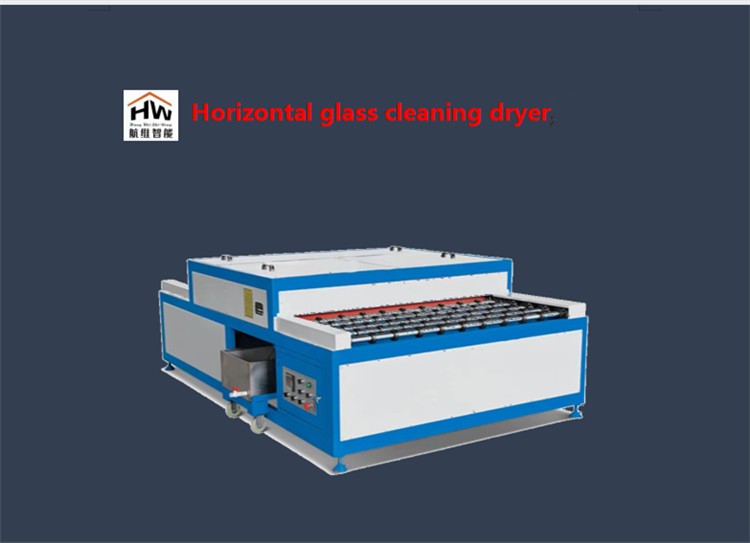
Sufficient space is needed for the installation of the insulating glass washing machine. The machine should be installed on a flat and level surface to ensure its stable operation. There should be enough space around the machine for easy access to all parts of the machine for maintenance and repair purposes.
In addition, when planning the installation space, it is necessary to consider the space required for loading and unloading the glass. A smooth flow of glass in and out of the machine is essential for efficient production.

Storage of Supplies
The working environment should also have enough space for the storage of cleaning agents, spare parts, and other supplies related to the operation of the insulating glass washing machine. Proper storage of these items can ensure their quality and availability when needed.
Compatibility with Other Equipment
If the insulating glass washing machine is part of a larger production line, such as an Auto Double Glass Making Machine or a Horizontal Glass Washing Machine, the working environment should ensure the compatibility and smooth interaction between different pieces of equipment.
The layout of the production line should allow for easy transfer of the glass between different machines. The working environment should also provide a stable and consistent temperature and humidity condition for all equipment in the production line to ensure the overall quality and efficiency of the insulating glass production process.
In conclusion, meeting the working environment requirements of an insulating glass washing machine is essential for achieving high - quality production, reducing maintenance costs, and extending the lifespan of the machine. As a supplier of insulating glass washing machines, we not only provide high - performance equipment but also offer professional advice on creating a suitable working environment. If you are considering the purchase of an insulating glass washing machine or need more information about its working environment requirements, please feel free to contact us for further discussion and negotiation.
References
- Glass Industry Handbook: A comprehensive guide to glass manufacturing processes and equipment.
- Manufacturer's manuals for insulating glass washing machines.
- Research papers on the impact of working environment on industrial equipment performance.