

What is the speed control method of an insulating glass washing machine?
As a leading supplier of Insulating Glass Washing Machines, I am often asked about the speed control methods of these essential pieces of equipment. In this blog post, I will delve into the various speed control techniques used in insulating glass washing machines, their advantages, and how they can impact the overall performance of the machine.

1. Variable Frequency Drive (VFD)
One of the most common and effective speed control methods for insulating glass washing machines is the use of a Variable Frequency Drive (VFD). A VFD is an electronic device that controls the speed of an electric motor by adjusting the frequency and voltage supplied to it. This allows for precise control of the motor's speed, which is crucial for the efficient operation of the washing machine.
How VFD Works
The VFD takes the incoming AC power and converts it into DC power. It then uses an inverter to convert the DC power back into AC power at a variable frequency and voltage. By adjusting the frequency of the AC power, the VFD can control the speed of the motor. For example, if the frequency is increased, the motor will run faster, and if the frequency is decreased, the motor will run slower.
Advantages of VFD
- Energy Efficiency: VFDs can significantly reduce energy consumption by allowing the motor to run at the optimal speed for the task at hand. This is because the motor only consumes the amount of energy required to maintain the desired speed, rather than running at a fixed speed all the time.
- Precise Speed Control: VFDs offer precise speed control, which is essential for ensuring that the glass is washed evenly and thoroughly. This can help to improve the quality of the finished product and reduce the risk of damage to the glass.
- Soft Start and Stop: VFDs provide a soft start and stop function, which helps to reduce the mechanical stress on the motor and other components of the washing machine. This can extend the lifespan of the equipment and reduce maintenance costs.
2. Direct Current (DC) Motor Control
Another speed control method that can be used in insulating glass washing machines is direct current (DC) motor control. DC motors are commonly used in applications where precise speed control is required, such as in industrial automation and robotics.
How DC Motor Control Works
DC motors are controlled by adjusting the voltage applied to the motor. By increasing or decreasing the voltage, the speed of the motor can be adjusted accordingly. This can be achieved using a variety of methods, such as pulse width modulation (PWM) or linear control.
Advantages of DC Motor Control
- High Torque at Low Speeds: DC motors can provide high torque at low speeds, which is useful for applications where the motor needs to start and stop frequently or operate under heavy loads.
- Simple and Reliable: DC motor control systems are relatively simple and reliable, which makes them easy to maintain and repair.
- Cost-Effective: DC motors are generally less expensive than AC motors, which can make them a cost-effective option for some applications.
3. Mechanical Speed Control
In addition to electronic speed control methods, mechanical speed control can also be used in insulating glass washing machines. Mechanical speed control involves the use of mechanical components, such as belts, pulleys, and gears, to adjust the speed of the motor.
How Mechanical Speed Control Works
Mechanical speed control systems typically use a variable speed pulley or a gearbox to adjust the speed of the motor. By changing the diameter of the pulley or the ratio of the gears, the speed of the motor can be increased or decreased.
Advantages of Mechanical Speed Control
- Simple and Robust: Mechanical speed control systems are simple and robust, which makes them suitable for use in harsh environments or applications where reliability is a key concern.
- Low Cost: Mechanical speed control systems are generally less expensive than electronic speed control systems, which can make them a cost-effective option for some applications.
- No Electrical Components: Mechanical speed control systems do not require any electrical components, which can make them easier to install and maintain in areas where electrical power is not available or where electrical interference is a concern.
4. Impact of Speed Control on Insulating Glass Washing Machine Performance
The speed control method used in an insulating glass washing machine can have a significant impact on its performance. Here are some of the ways in which speed control can affect the performance of the machine:
Quality of Washing
The speed at which the glass passes through the washing machine can affect the quality of the washing. If the speed is too fast, the glass may not be washed thoroughly, and if the speed is too slow, the glass may be damaged or scratched. By using a speed control method that allows for precise adjustment of the speed, the quality of the washing can be optimized.
Productivity
The speed control method can also affect the productivity of the washing machine. By increasing the speed of the machine, more glass can be washed in a given amount of time, which can increase the overall productivity of the production line. However, it is important to ensure that the speed is increased without compromising the quality of the washing.
Energy Consumption
As mentioned earlier, the use of a speed control method that allows for energy-efficient operation can significantly reduce the energy consumption of the washing machine. This can not only save money on energy costs but also reduce the environmental impact of the production process.
5. Our Range of Insulating Glass Washing Machines
At our company, we offer a wide range of insulating glass washing machines that are equipped with advanced speed control systems. Our machines are designed to provide high-quality washing, high productivity, and energy-efficient operation.
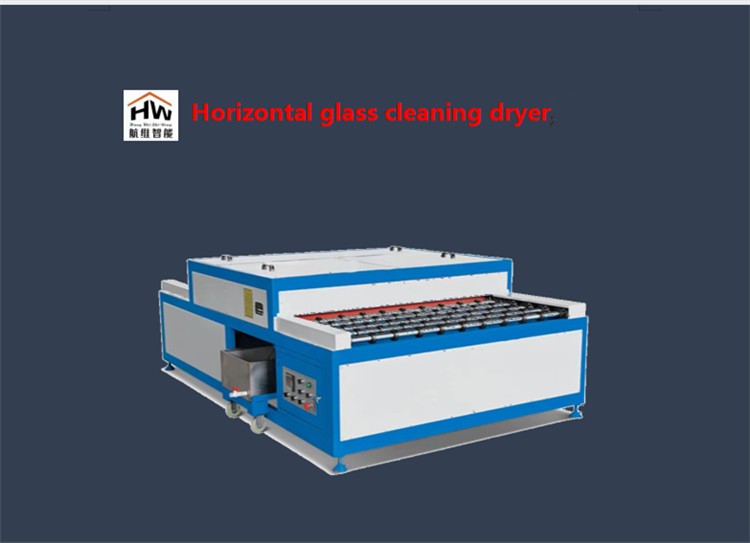
We have Horizontal Glass Washing Machine which are suitable for washing large sheets of glass. These machines are equipped with VFDs for precise speed control and energy-efficient operation. Our Vertical Insulating Glass Production Line is another option, which offers a compact and efficient solution for insulating glass production. The washing unit in this line also features advanced speed control technology. And our Glass Washing and Combining Line combines the functions of washing and combining in one integrated system, with speed control ensuring smooth and efficient operation.
6. Contact Us for Purchasing and Consultation
If you are interested in purchasing an insulating glass washing machine or have any questions about our products and speed control methods, please do not hesitate to contact us. Our team of experts is always ready to provide you with detailed information and help you choose the right machine for your specific needs. Whether you are a small glass processing workshop or a large-scale industrial manufacturer, we have the perfect solution for you.
References
- Electrical Engineering Handbook, Third Edition, edited by Richard C. Dorf
- Industrial Automation: Fundamentals and Applications, by B. R. Patil