

What is the power consumption of an aluminum end milling machine?
Hey there! As a supplier of Aluminum End Milling Machines, I often get asked about the power consumption of these machines. It's a crucial factor for many businesses, as it directly impacts operational costs and overall efficiency. So, let's dive into what the power consumption of an aluminum end milling machine really looks like.
Understanding the Basics of Power Consumption
First off, power consumption is measured in kilowatt - hours (kWh). It's basically how much energy a machine uses over a certain period. For an aluminum end milling machine, the power consumption can vary widely depending on several factors.
Machine Size and Type
The size of the machine plays a huge role. Larger machines with more powerful motors generally consume more power. For example, a small - scale benchtop aluminum end milling machine might have a motor power rating of around 1 - 2 kW. On the other hand, industrial - grade machines used in large manufacturing plants can have motor powers ranging from 5 kW to even 20 kW or more.
If you're in the market for a machine, you might want to check out our Aluminum Profile End Milling Machine. It comes in different sizes and power ratings to suit various business needs.
Cutting Parameters
The cutting parameters also have a significant impact on power consumption. Things like the cutting speed, feed rate, and depth of cut all matter. When you increase the cutting speed, the machine has to work harder, which means it will consume more power. Similarly, a higher feed rate or a greater depth of cut requires more energy to remove the material from the aluminum profile.
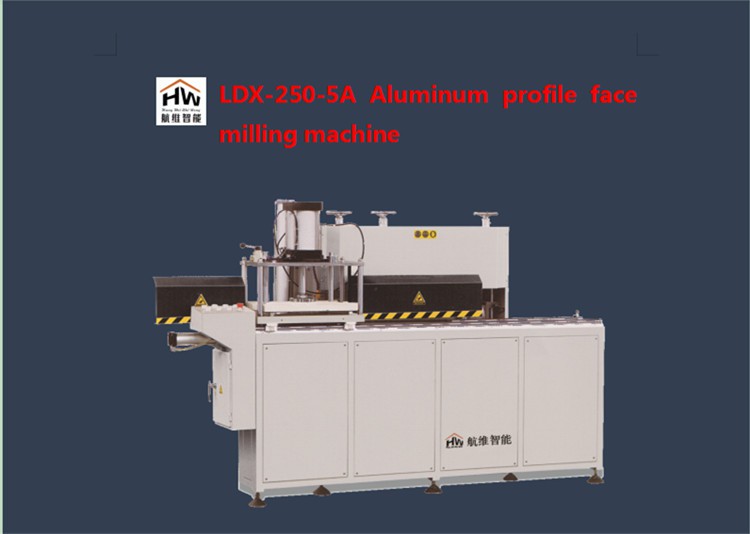

Let's say you're using a Profile End Milling Machine to cut aluminum profiles. If you set the cutting speed too high, the motor will have to draw more current to maintain that speed, leading to increased power consumption.
Workpiece Material and Complexity
The type of aluminum material you're working with can affect power consumption. Some aluminum alloys are harder than others, and cutting through a harder alloy will require more power. Also, if the workpiece has a complex shape or requires a lot of intricate cuts, the machine will have to operate for a longer time and use more energy.
Calculating Power Consumption
Calculating the power consumption of an aluminum end milling machine is relatively straightforward. You just need to know the power rating of the machine's motor (in kilowatts) and the operating time (in hours). The formula is:
Power Consumption (kWh)=Power Rating (kW)×Operating Time (h)
For example, if you have a machine with a 3 - kW motor and it runs for 5 hours a day, the daily power consumption would be 3 kW×5 h = 15 kWh.
However, it's important to note that this is a simplified calculation. In real - world scenarios, the actual power consumption might be different due to factors like motor inefficiencies, idle time, and variations in cutting loads.
Ways to Reduce Power Consumption
As a supplier, I understand that businesses are always looking for ways to cut costs, and reducing power consumption is a great way to do that. Here are some tips:
Optimize Cutting Parameters
Work on finding the right balance between cutting speed, feed rate, and depth of cut. By using the optimal parameters, you can achieve the same quality of cut with less power. For instance, you can start with a lower cutting speed and gradually increase it until you find the sweet spot where the machine is operating efficiently.
Use Energy - Efficient Motors
Many modern aluminum end milling machines come with energy - efficient motors. These motors are designed to consume less power while still providing the necessary torque and speed. When you're choosing a machine, look for ones with high - efficiency motors. Our Aluminum Profile CNC Tenon Milling Machine is equipped with energy - efficient motors that can help you save on power costs.
Minimize Idle Time
Make sure to turn off the machine when it's not in use. Idle machines still consume a small amount of power, and over time, this can add up. Also, try to plan your work in such a way that the machine is running continuously during the production process, reducing the amount of time it spends in standby mode.
Impact of Power Consumption on Business
The power consumption of an aluminum end milling machine can have a significant impact on your business's bottom line. High power consumption means higher electricity bills, which can eat into your profits. Moreover, in today's environmentally - conscious world, reducing power consumption is not just about saving money; it's also about being a responsible corporate citizen.
By choosing an energy - efficient machine and optimizing your cutting processes, you can not only save on costs but also reduce your carbon footprint. This can enhance your brand image and make your business more attractive to environmentally - aware customers.
Conclusion
So, there you have it! The power consumption of an aluminum end milling machine depends on several factors, including machine size, cutting parameters, and workpiece material. By understanding these factors and taking steps to reduce power consumption, you can make your operations more cost - effective and sustainable.
If you're interested in learning more about our aluminum end milling machines or have any questions about power consumption, feel free to reach out. We're here to help you find the right machine for your business needs and guide you on how to operate it efficiently.
References
- Machinery's Handbook: A comprehensive guide to machining processes and machine tool operation.
- Industry reports on energy efficiency in metalworking machinery.