

What is the noise level of a Profile End Milling Machine during operation?
Hey there! As a supplier of Profile End Milling Machines, I often get asked about the noise level of these machines during operation. It's a valid concern, especially if you're planning to use the machine in a shared workspace or an environment where noise could be an issue. So, let's dive into what the noise level of a Profile End Milling Machine is all about.
Understanding the Basics of Noise in Milling Machines
First off, it's important to know that any kind of machining operation is going to generate some level of noise. When a Profile End Milling Machine is working, it involves cutting, shaping, and removing material from a workpiece. This process creates vibrations and friction, which in turn produce sound waves. The noise level can vary depending on several factors, such as the type of material being milled, the cutting speed, the feed rate, and the design and condition of the machine itself.
Factors Affecting the Noise Level
Material Being Milled
Different materials have different properties, and these can have a big impact on the noise level. For example, harder materials like steel or titanium require more force to cut, which can result in louder noise. On the other hand, softer materials like aluminum or plastic are easier to mill and generally produce less noise. If you're using an Aluminum Profile Tenon Milling Machine to work with aluminum alloy, you'll likely experience a relatively lower noise level compared to working with other metals.
Cutting Speed and Feed Rate
The cutting speed and feed rate are two important parameters that can affect the noise level. A higher cutting speed means the cutting tool is moving faster, which can increase the noise. Similarly, a higher feed rate means the workpiece is being fed into the cutting tool more quickly, which can also lead to more noise. It's important to find the right balance between cutting speed, feed rate, and the quality of the cut to minimize noise while still achieving efficient machining.
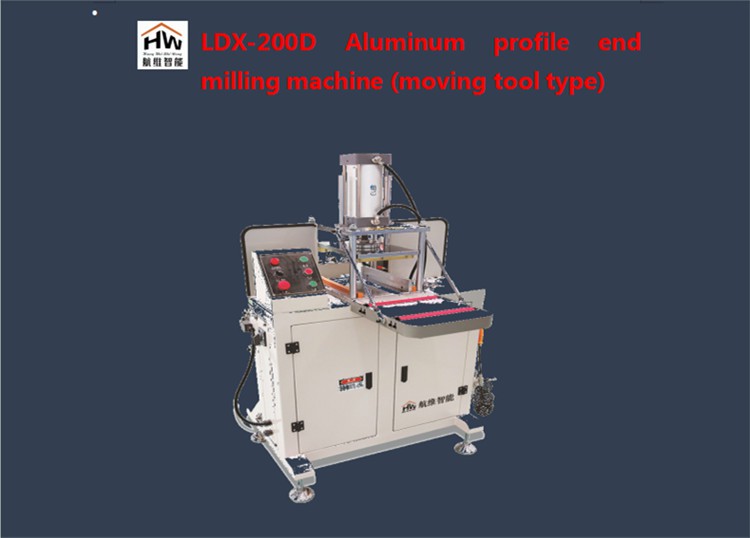

Machine Design and Condition
The design of the Profile End Milling Machine plays a crucial role in determining the noise level. Machines with better vibration dampening features and precision components are generally quieter. Additionally, the condition of the machine is also important. A well-maintained machine with sharp cutting tools and properly lubricated parts will produce less noise compared to a machine that is worn out or in need of repair.
Typical Noise Levels of Profile End Milling Machines
So, what can you expect in terms of actual noise levels? Well, it's hard to give an exact number because it can vary so much depending on the factors mentioned above. However, in general, the noise level of a Profile End Milling Machine during operation can range from around 70 to 90 decibels (dB). To put that in perspective, 70 dB is about the same as the noise level of a normal conversation, while 90 dB is comparable to the noise level of a lawnmower.
If the noise level is above 85 dB, it can start to cause hearing damage over time. That's why it's important to take appropriate measures to protect yourself and others in the vicinity of the machine. This can include wearing hearing protection, such as earplugs or earmuffs, and ensuring that the machine is located in a well-ventilated area with proper sound insulation.
Measuring the Noise Level
If you're concerned about the noise level of your Profile End Milling Machine, you can measure it using a sound level meter. These devices are relatively inexpensive and easy to use. Simply place the sound level meter at a distance of about 1 meter from the machine and take a reading while the machine is in operation. Make sure to take multiple readings at different points around the machine to get an accurate average.
Reducing the Noise Level
There are several ways to reduce the noise level of a Profile End Milling Machine. Here are some tips:
- Choose the Right Machine: Look for a machine that is designed to be quiet. Some manufacturers offer machines with advanced noise reduction features, such as vibration dampening systems and insulated enclosures.
- Maintain the Machine: Regular maintenance is key to keeping the noise level down. Make sure to keep the cutting tools sharp, lubricate the moving parts, and check for any loose or worn-out components.
- Optimize the Cutting Parameters: As mentioned earlier, finding the right balance between cutting speed, feed rate, and the quality of the cut can help reduce noise. Experiment with different settings to find the optimal combination for your specific application.
- Use Sound Insulation: If possible, install sound insulation around the machine to reduce the noise level. This can include acoustic panels or curtains.
- Wear Hearing Protection: Even if you've taken all the necessary steps to reduce the noise level, it's still a good idea to wear hearing protection when operating the machine.
Why Choose Our Profile End Milling Machines
At our company, we understand the importance of noise reduction. That's why our Profile End Milling Machines are designed with advanced noise reduction features to ensure a quieter working environment. Our machines are also built to last, with high-quality components and precision engineering. Whether you're working with aluminum alloy or other materials, our machines can provide efficient and accurate milling operations with minimal noise.
We also offer a wide range of Aluminum Alloy Tenon Milling Equipment to meet your specific needs. Our team of experts is always available to provide you with technical support and advice to help you get the most out of your machine.
Contact Us for More Information
If you're interested in learning more about our Profile End Milling Machines or have any questions about the noise level, please don't hesitate to contact us. We'd be happy to discuss your requirements and provide you with a customized solution. Whether you're a small workshop or a large manufacturing facility, we have the right machine for you. Let's work together to achieve efficient and quiet machining operations.
References
- Machinery's Handbook, 31st Edition
- ISO 11201:2010 - Acoustics - Determination of sound power levels and sound energy levels of noise sources using sound pressure - Engineering methods for an essentially free field over a reflecting plane
- OSHA Noise Standards - 29 CFR 1910.95