

What is the maximum feed rate of a Profile End Milling Machine?
The maximum feed rate of a Profile End Milling Machine is a crucial parameter that significantly influences its performance and efficiency. As a supplier of Profile End Milling Machines, I am well - versed in the factors that determine this maximum feed rate and how it impacts the overall machining process.
Understanding Feed Rate in Profile End Milling
Feed rate refers to the speed at which the workpiece moves relative to the cutting tool during the milling operation. In the context of a Profile End Milling Machine, it is measured in units such as millimeters per minute (mm/min) or inches per minute (ipm). A higher feed rate generally means that more material can be removed in a shorter period, leading to increased productivity. However, pushing the machine beyond its optimal feed rate can result in poor surface finish, tool wear, and even damage to the machine itself.
Factors Affecting the Maximum Feed Rate
1. Tool Material and Geometry
The type of cutting tool used in the Profile End Milling Machine has a profound impact on the maximum feed rate. High - speed steel (HSS) tools are commonly used for general - purpose milling. They are relatively inexpensive but have a lower maximum feed rate compared to carbide tools. Carbide tools, on the other hand, are harder and more heat - resistant, allowing for higher feed rates.
The geometry of the tool also matters. Tools with a larger number of cutting edges can typically handle higher feed rates because the load is distributed among more edges. For example, a four - flute end mill can often achieve a higher feed rate than a two - flute end mill when machining the same material.
2. Workpiece Material
Different materials have different machinability characteristics, which directly affect the maximum feed rate. Soft materials like aluminum alloys can generally be milled at higher feed rates compared to harder materials such as stainless steel or titanium. Aluminum alloys are known for their excellent machinability, and with the right cutting tools, a Profile End Milling Machine can achieve relatively high feed rates when working on aluminum parts. You can find more information about Aluminum Alloy Tenon Milling Equipment on our website.
Harder materials, however, require slower feed rates to prevent excessive tool wear and ensure a good surface finish. When machining stainless steel, for instance, the cutting forces are higher, and the tool is more likely to experience heat - related issues if the feed rate is too high.
3. Machine Rigidity
The rigidity of the Profile End Milling Machine itself is another critical factor. A rigid machine can better withstand the cutting forces generated during the milling process, allowing for higher feed rates. Machines with a robust frame and high - quality components are less likely to vibrate or deflect under load. This is important because vibration can lead to poor surface finish and premature tool failure.
If the machine is not rigid enough, even if the cutting tool and workpiece material would theoretically allow for a high feed rate, the machine's limitations will prevent it from achieving that rate. For example, a lightweight and poorly constructed machine may start to vibrate at a relatively low feed rate, forcing the operator to reduce the speed to maintain quality.
4. Coolant and Lubrication
Proper coolant and lubrication play a vital role in determining the maximum feed rate. Coolants help to dissipate heat generated during the cutting process, reducing the temperature of the cutting tool and the workpiece. This allows for higher feed rates because the tool can withstand the heat better. Lubricants, on the other hand, reduce friction between the tool and the workpiece, which also helps to lower cutting forces and improve tool life.
There are different types of coolants and lubricants available, and the choice depends on the workpiece material and the specific milling operation. For example, when milling aluminum, a water - soluble coolant is often used to provide both cooling and lubrication.
Typical Maximum Feed Rates for Different Applications
Aluminum Profile Milling
As a common application for Profile End Milling Machines, aluminum profile milling offers the potential for relatively high feed rates. With a high - quality carbide end mill and a well - rigid machine, feed rates of up to 3000 mm/min or more can be achieved when milling aluminum profiles. Our Aluminum Profile Tenon Milling Machine is designed to handle such high - speed operations efficiently.
CNC Milling of Aluminum Profiles
In the case of Aluminum Profile CNC Tenon Milling Machine, the maximum feed rate can be even more precisely controlled. CNC machines offer the advantage of programmable feed rates, allowing for optimal machining based on the specific requirements of the part. Depending on the complexity of the profile and the cutting parameters, feed rates in CNC aluminum profile milling can range from 1000 mm/min to 5000 mm/min or higher.
Milling of Harder Materials
When milling harder materials like steel or titanium, the maximum feed rates are significantly lower. For mild steel, a typical maximum feed rate might be in the range of 500 - 1500 mm/min, depending on the tool and machine specifications. Titanium, being an extremely hard and difficult - to - machine material, may have a maximum feed rate of only 100 - 500 mm/min.
Importance of Optimizing the Feed Rate
Optimizing the feed rate is essential for several reasons. First, it directly impacts productivity. By running the machine at the maximum safe feed rate, manufacturers can produce more parts in less time, reducing production costs. Second, it affects the quality of the machined parts. A proper feed rate ensures a good surface finish and dimensional accuracy. If the feed rate is too low, it may result in over - machining and longer production times. If it is too high, the surface finish may be poor, and the tool may wear out quickly.
Determining the Maximum Feed Rate in Practice
In practice, determining the maximum feed rate for a Profile End Milling Machine often involves a combination of theoretical calculations and practical testing. Tool manufacturers usually provide recommended feed rates based on the tool material, geometry, and the workpiece material. However, these are only guidelines, and the actual maximum feed rate may vary depending on the specific machine and the operating conditions.
Operators typically start with a conservative feed rate and gradually increase it while monitoring the cutting process. They look for signs such as tool wear, surface finish, and machine vibration. If any of these factors indicate that the feed rate is too high, they will reduce the speed accordingly.
Conclusion
In conclusion, the maximum feed rate of a Profile End Milling Machine is influenced by multiple factors, including tool material and geometry, workpiece material, machine rigidity, and coolant and lubrication. As a supplier of these machines, we understand the importance of providing customers with the right information and equipment to optimize the feed rate for their specific applications.

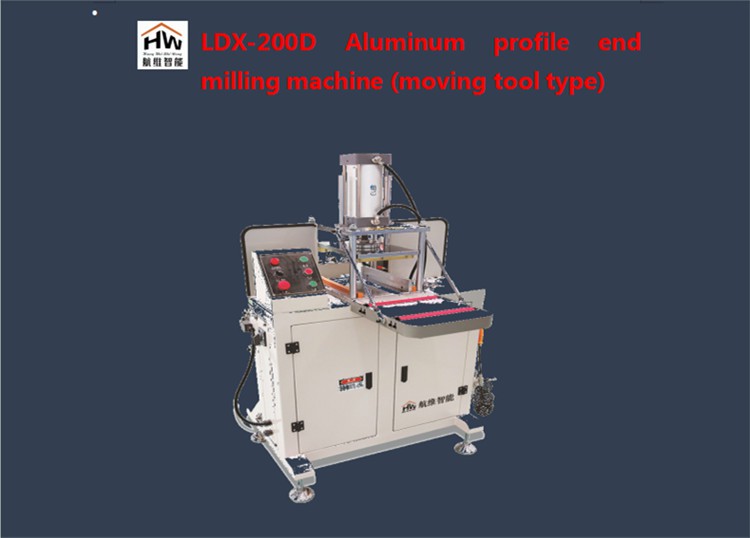
If you are interested in our Profile End Milling Machines or have questions about feed rates and machining parameters, we encourage you to contact us for a detailed discussion. Our team of experts is ready to assist you in finding the best solution for your manufacturing needs.
References
- Groover, M. P. (2010). Fundamentals of Modern Manufacturing: Materials, Processes, and Systems. Wiley.
- Trent, E. M., & Wright, P. K. (2000). Metal Cutting. Butterworth - Heinemann.