

What is the maximum diameter of the cutter that a Profile End Milling Machine can use?
When it comes to the Profile End Milling Machine, one of the most frequently asked questions by our customers is: "What is the maximum diameter of the cutter that a Profile End Milling Machine can use?" As a leading supplier of Profile End Milling Machines, we understand the significance of this question, as the cutter diameter directly affects the machine's performance, efficiency, and the quality of the milling results. In this blog post, we will delve into the factors that determine the maximum cutter diameter, the implications of using different cutter sizes, and how to choose the right cutter diameter for your specific needs.
Factors Determining the Maximum Cutter Diameter
The maximum cutter diameter that a Profile End Milling Machine can use is influenced by several key factors. These factors are closely related to the machine's design, power, and structural capabilities. Let's take a closer look at each of these factors.
Machine Design and Structure
The physical design and structure of the Profile End Milling Machine play a crucial role in determining the maximum cutter diameter. The machine's spindle, which holds and rotates the cutter, has a specific size and capacity. The spindle's bore diameter, for example, limits the maximum size of the cutter shank that can be accommodated. Additionally, the machine's overall structure, including the frame, column, and table, must be able to support the forces generated by the cutter during operation. A larger cutter diameter typically requires a more robust and stable machine structure to ensure accurate and reliable milling.
Power and Torque
The power and torque of the machine's motor are also important factors in determining the maximum cutter diameter. A larger cutter diameter generally requires more power and torque to rotate the cutter at the appropriate speed and feed rate. If the machine's motor does not have sufficient power and torque, it may struggle to drive the cutter, resulting in poor milling performance, increased wear on the cutter and machine components, and even potential damage to the machine. Therefore, the maximum cutter diameter is often limited by the power and torque capabilities of the machine's motor.
Cutting Parameters
The cutting parameters, such as the cutting speed, feed rate, and depth of cut, also affect the maximum cutter diameter that can be used. Different materials and milling operations require different cutting parameters. For example, when milling hard materials, a lower cutting speed and feed rate may be necessary to avoid excessive tool wear and damage. A larger cutter diameter may require a higher cutting speed and feed rate to achieve efficient milling. However, the machine's capabilities and the material being milled must be considered when selecting the cutting parameters. If the cutting parameters are not optimized, using a larger cutter diameter may not result in improved performance and may even lead to poor milling quality.
Implications of Using Different Cutter Sizes
Using different cutter sizes on a Profile End Milling Machine can have several implications for the milling process and the final results. Let's explore some of the key implications of using different cutter diameters.
Milling Efficiency
The cutter diameter can significantly affect the milling efficiency. A larger cutter diameter generally allows for a wider cutting path, which means that more material can be removed in a single pass. This can result in faster milling times and increased productivity. However, using a larger cutter diameter also requires more power and torque, which may limit the machine's speed and feed rate. Therefore, the choice of cutter diameter should be based on a balance between the desired milling efficiency and the machine's capabilities.
Milling Quality
The cutter diameter also has an impact on the milling quality. A larger cutter diameter can provide a smoother surface finish and better dimensional accuracy, especially when milling large surfaces. However, a larger cutter diameter may also be more prone to vibration and chatter, which can affect the surface finish and dimensional accuracy. On the other hand, a smaller cutter diameter can provide more precise control and better access to tight spaces, but it may require more passes to complete the milling operation, resulting in longer milling times. Therefore, the choice of cutter diameter should be based on the specific requirements of the milling operation and the desired quality of the final product.
Tool Life
The cutter diameter can also affect the tool life. A larger cutter diameter generally has a larger cutting edge and more cutting teeth, which can distribute the cutting forces more evenly and reduce the wear on each tooth. This can result in longer tool life and lower tooling costs. However, a larger cutter diameter also requires more power and torque, which can increase the wear on the cutter and machine components. Therefore, the choice of cutter diameter should be based on a balance between the desired tool life and the machine's capabilities.

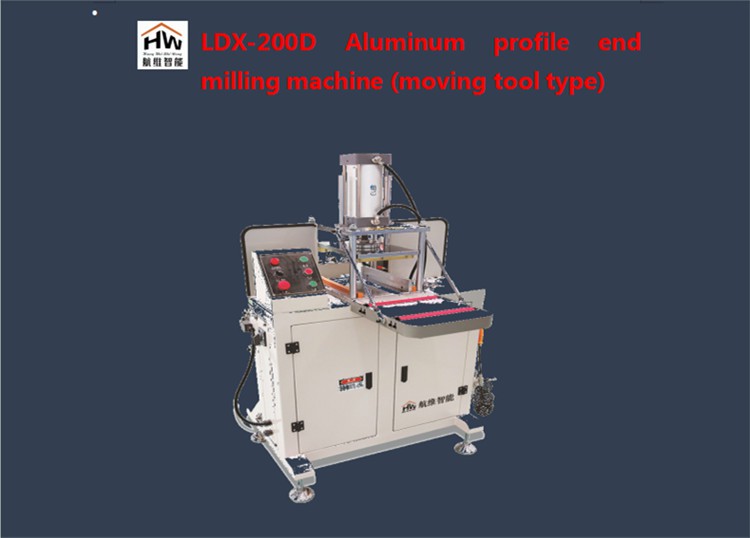
Choosing the Right Cutter Diameter for Your Specific Needs
Choosing the right cutter diameter for your specific needs is essential to achieve optimal milling performance and quality. Here are some tips to help you select the appropriate cutter diameter for your Profile End Milling Machine.
Consider the Material and Milling Operation
The first step in choosing the right cutter diameter is to consider the material and milling operation. Different materials have different hardness, strength, and machinability, which require different cutting parameters and cutter sizes. For example, when milling soft materials, such as aluminum, a larger cutter diameter may be used to achieve faster milling times. On the other hand, when milling hard materials, such as steel, a smaller cutter diameter may be necessary to ensure efficient milling and avoid excessive tool wear. Additionally, the type of milling operation, such as face milling, end milling, or slot milling, also affects the choice of cutter diameter.
Evaluate the Machine's Capabilities
The next step is to evaluate the machine's capabilities, including the power, torque, spindle speed, and feed rate. The machine's specifications will provide information on the maximum cutter diameter that can be used safely and effectively. It is important to choose a cutter diameter that is within the machine's capabilities to ensure optimal performance and avoid potential damage to the machine.
Consult with a Professional
If you are unsure about which cutter diameter to choose, it is always a good idea to consult with a professional. Our team of experts at [Our Company Name] has extensive experience in the field of Profile End Milling Machines and can provide you with valuable advice and guidance on choosing the right cutter diameter for your specific needs. We can also help you select the appropriate cutting parameters and tooling to ensure the best possible milling results.
Conclusion
In conclusion, the maximum diameter of the cutter that a Profile End Milling Machine can use is determined by several factors, including the machine's design and structure, power and torque, and cutting parameters. Using different cutter sizes can have significant implications for the milling efficiency, quality, and tool life. Choosing the right cutter diameter for your specific needs is essential to achieve optimal milling performance and quality. As a leading supplier of Profile End Milling Machines, we offer a wide range of machines with different capabilities and specifications to meet the diverse needs of our customers. If you are interested in learning more about our Aluminum Window CNC Milling Machine, Aluminum Profile Tenon Milling Machine, or Aluminum Profile End Milling Machine, please contact us today to discuss your requirements and explore the possibilities. We look forward to working with you to find the perfect solution for your milling needs.
References
- [Book Title 1], Author 1, Publisher 1, Year 1
- [Book Title 2], Author 2, Publisher 2, Year 2
- [Journal Article 1], Author 3, Journal Name 1, Volume 1, Issue 1, Pages 1 - 10, Year 3
- [Journal Article 2], Author 4, Journal Name 2, Volume 2, Issue 2, Pages 11 - 20, Year 4