

What is the material of the bed of an aluminum end milling machine?
Hey there! As a supplier of Aluminum End Milling Machines, I often get asked about the materials used for the bed of these machines. It's a crucial part of the machine, and understanding its material can help you make a better decision when it comes to purchasing. So, let's dive right in and explore what the bed of an aluminum end milling machine is typically made of.
Cast Iron
One of the most common materials for the bed of an aluminum end milling machine is cast iron. Cast iron has been a go - to material for machine tool beds for a long time, and for good reasons.
First of all, cast iron has excellent damping properties. When the milling machine is in operation, there are a lot of vibrations generated due to the cutting process. These vibrations can affect the accuracy of the machining. Cast iron can absorb these vibrations, reducing the amount of chatter and ensuring a smoother cutting operation. This is super important when you're working on aluminum profiles, as you want a precise and clean cut.

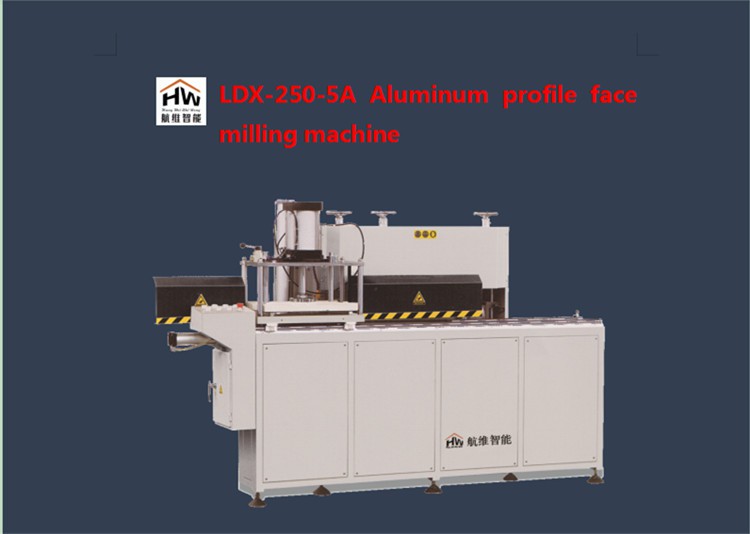
Secondly, cast iron is very rigid. The bed of the milling machine needs to be able to support the weight of the workpiece, the milling head, and other components without deforming. Cast iron can handle these loads well, maintaining its shape over time. This rigidity also contributes to the overall stability of the machine, which is essential for accurate milling.
However, cast iron does have some drawbacks. It's quite heavy, which can make the machine more difficult to move around. Also, it can be prone to corrosion if not properly maintained. But with regular cleaning and proper coating, these issues can be minimized.
Steel
Steel is another material that is sometimes used for the bed of aluminum end milling machines. There are different types of steel that can be used, such as carbon steel and alloy steel.
Steel offers high strength and good wear resistance. It can withstand the high forces exerted during the milling process without significant deformation. This means that the machine can maintain its accuracy over a long period of use. For example, when you're milling hard - to - cut aluminum alloys, a steel bed can handle the stress better than some other materials.
In addition, steel can be heat - treated to improve its mechanical properties. You can make it harder, tougher, or more ductile depending on your specific requirements. This flexibility in material properties makes steel a versatile choice for machine tool beds.
On the flip side, steel can be more expensive than cast iron. And similar to cast iron, it also needs proper protection against corrosion. But if you're looking for a high - performance machine that can handle heavy - duty milling tasks, a steel - bedded aluminum end milling machine might be the way to go.
Granite
Granite is a less common but still viable option for the bed of an aluminum end milling machine. Granite has some unique properties that make it an interesting choice.
One of the main advantages of granite is its dimensional stability. It has a very low coefficient of thermal expansion, which means that it doesn't expand or contract much with changes in temperature. This is extremely important in precision machining, as temperature variations can cause the machine components to deform and affect the accuracy of the milling.
Granite also has good damping characteristics, similar to cast iron. It can absorb vibrations and provide a stable platform for the milling operation. And it's highly resistant to corrosion, so you don't have to worry too much about rust or other forms of degradation.
However, granite is quite brittle. It can crack if subjected to sudden impacts or excessive loads. And it's also more difficult to machine and shape compared to cast iron or steel. So, while it offers some great properties for precision milling, it may not be suitable for all applications.
Composite Materials
In recent years, composite materials have started to gain some popularity in the manufacturing of machine tool beds, including those of aluminum end milling machines.
Composite materials are made by combining two or more different materials to get the best properties of each. For example, a composite bed might consist of a polymer matrix reinforced with fibers such as carbon fiber or glass fiber.
These composite materials can be designed to have high strength - to - weight ratios. They are lighter than cast iron or steel, which can make the machine more energy - efficient and easier to move. At the same time, they can still provide good stiffness and damping properties.
Another advantage of composite materials is that they can be molded into complex shapes more easily than traditional materials. This allows for more innovative designs of the machine bed, which can potentially improve the performance of the milling machine.
But composite materials also have their limitations. They can be more expensive to produce, and their long - term durability is still a subject of research in some cases.
Choosing the Right Material for Your Needs
When it comes to choosing the material for the bed of an aluminum end milling machine, there are several factors to consider.
If you're on a budget and need a reliable and widely - used material, cast iron might be your best bet. It offers a good balance of damping, rigidity, and cost - effectiveness.
For heavy - duty applications where high strength and wear resistance are crucial, steel could be the right choice. It can handle tough milling tasks and maintain its accuracy over time.
If precision is your top priority and you can afford a more specialized material, granite might be worth considering. Its dimensional stability and damping properties make it ideal for high - precision milling.
And if you're looking for a lightweight and innovative solution, composite materials could offer some unique benefits.
As a supplier of Profile End Milling Machine, Milling Tenon Equipment, and Aluminum Profile End Milling Machine, we can help you choose the right machine based on your specific requirements. Whether you need a machine with a cast - iron bed for general - purpose milling or a high - precision granite - bedded machine for intricate work, we've got you covered.
If you're interested in learning more about our aluminum end milling machines or have any questions about the materials used in their construction, don't hesitate to get in touch. We're here to assist you in making the best decision for your business. Contact us today to start a conversation about your milling needs and how we can help you achieve your goals.
References
- "Machine Tool Design" by S. Timoshenko
- "Materials Science and Engineering: An Introduction" by William D. Callister, Jr.
- Industry reports on machine tool materials and manufacturing trends.