

What is the function of the control panel on an aluminum end milling machine?
Hey there! As a supplier of Aluminum End Milling Machine, I've had my fair share of dealing with these nifty machines. Today, I wanna chat about the control panel on an aluminum end milling machine and what it can do.
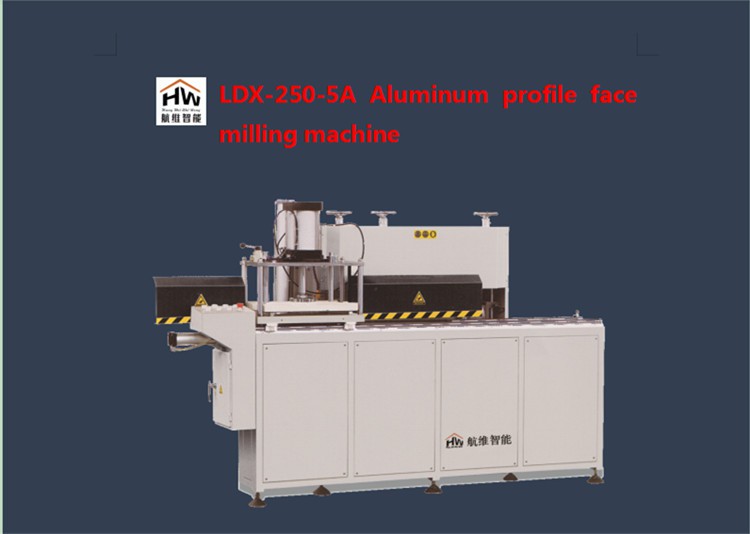
First off, let's get a bit of context. An Aluminum Profile End Milling Machine is a specialized piece of equipment used to mill the ends of aluminum profiles. It's super handy in industries like construction, automotive, and furniture manufacturing. And the control panel is like the brain of this machine, allowing operators to manage and monitor various functions.
1. Power and Start/Stop Control
The most basic function of the control panel is to control the power of the machine. There's usually a big, obvious power switch. You flip it on, and the machine gets energized. It's like turning on your TV at home. Once the power is on, there are dedicated buttons for starting and stopping the milling process. This is crucial for safety and efficiency. If something goes wrong during the operation, the operator can quickly hit the stop button to halt everything. It's a simple but essential feature that gives operators full control over when the machine is in action.
2. Speed and Feed Rate Adjustment
One of the key aspects of milling is getting the right speed and feed rate. The control panel allows operators to adjust these parameters. The spindle speed determines how fast the milling cutter rotates. Different types of aluminum profiles and milling tasks require different spindle speeds. For example, when you're doing a rough cut on a thick aluminum profile, you might want a lower speed to avoid overheating the cutter. On the other hand, for a fine finish, a higher speed can be more appropriate.
The feed rate, on the other hand, controls how fast the aluminum profile is fed into the milling cutter. If the feed rate is too high, the cutter might break or the quality of the cut will be poor. If it's too low, the process will be time - consuming. The control panel gives operators the flexibility to find the perfect balance between speed and feed rate for each specific job.
3. Tool Selection and Configuration
Modern aluminum end milling machines often come with multiple tools. The control panel enables operators to select the appropriate tool for the job. There are usually buttons or a touch - screen interface where you can choose from different cutters, drills, or other milling tools. Additionally, the panel allows for tool configuration. You can set the depth of cut, the angle of the tool, and other parameters. This is really important because different tools have different requirements, and the control panel makes it easy to customize the settings for each tool.
4. Positioning and Alignment
Accurate positioning and alignment of the aluminum profile are crucial for a precise milling job. The control panel is equipped with controls for moving the worktable or the milling head in different directions. You can move it left or right, forward or backward, and up or down. This allows you to position the aluminum profile exactly where you want it in relation to the milling cutter. Some advanced control panels even have digital readouts that show the exact position of the worktable or the milling head. This makes it easier for operators to achieve high - precision milling.
5. Program Storage and Recall
For repetitive milling tasks, the control panel often has a feature for storing and recalling programs. You can create a program that includes all the settings for a particular job, such as the speed, feed rate, tool selection, and positioning. Once the program is created, you can save it in the machine's memory. The next time you need to do the same job, you can simply recall the program from the control panel. This saves a lot of time and reduces the chances of human error. It's like having a recipe for a perfect dish that you can follow every time.
6. Monitoring and Diagnostic Functions
The control panel also serves as a monitoring and diagnostic tool. It can display important information about the machine's operation, such as the current spindle speed, feed rate, and the temperature of the cutter. Some panels even have sensors that can detect if there's a problem with the machine, like a clogged coolant system or a worn - out tool. If a problem is detected, the control panel will usually display an error message. This allows operators to quickly identify and fix issues before they cause major damage to the machine or affect the quality of the milling.
7. Safety Features
Safety is always a top priority when it comes to operating heavy machinery like an aluminum end milling machine. The control panel is equipped with several safety features. There are emergency stop buttons that are easily accessible from any position around the machine. In addition, there are safety interlocks that prevent the machine from operating if certain safety conditions are not met. For example, if the protective guards are not in place, the machine won't start. The control panel also ensures that the machine shuts down automatically if it detects abnormal vibrations or other dangerous conditions.
In conclusion, the control panel on an aluminum end milling machine is a multi - functional device that plays a vital role in the operation of the machine. It gives operators the ability to control every aspect of the milling process, from powering on the machine to achieving high - precision cuts. Whether you're a small - scale workshop or a large - scale manufacturing plant, having a well - designed control panel can significantly improve the efficiency and quality of your aluminum profile milling operations.
If you're in the market for an Aluminum End Milling Machine or a Profile End Milling Machine, we're here to help. Our machines come with state - of - the - art control panels that are easy to use and packed with features. If you have any questions or want to discuss your specific requirements, feel free to reach out. We're always happy to have a chat and see how we can assist you in your milling needs.
References

- "Milling Machine Handbook" - A comprehensive guide on milling machine operations and control systems.
- Industry reports on aluminum profile manufacturing and the use of end milling machines.