

What is the effect of water quality on the performance of an insulating glass washing machine?
As a supplier of Insulating Glass Washing Machines, I've witnessed firsthand the pivotal role that water quality plays in the performance of these machines. In this blog, I'll delve into the effects of water quality on the operation and longevity of insulating glass washing machines, drawing on my industry experience and knowledge.
The Basics of Insulating Glass Washing Machines
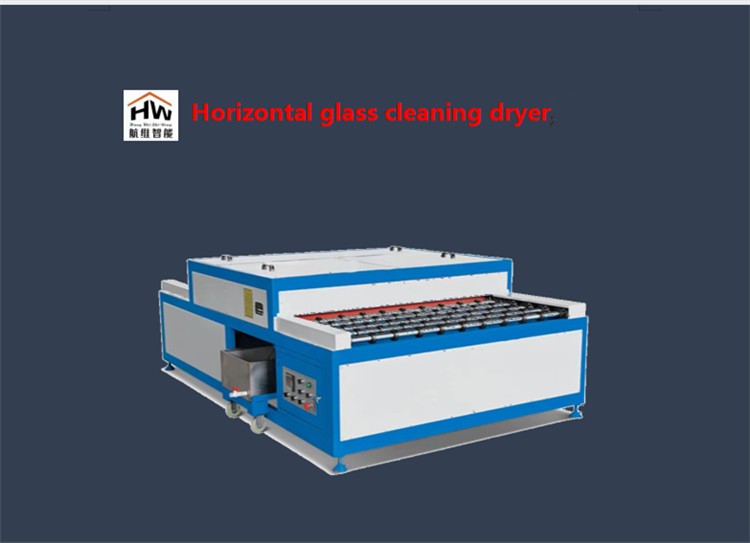
Before we discuss the impact of water quality, let's briefly understand the function of an insulating glass washing machine. These machines are designed to clean and dry insulating glass units thoroughly before further processing. They typically consist of a conveyor system, washing brushes, water spray nozzles, and a drying section. The washing process involves spraying water onto the glass surface, scrubbing it with brushes, and then removing the water through the drying section.
There are two main types of insulating glass washing machines: Vertical Glass Washing Machine and Horizontal Glass Washing Machine. Vertical machines are suitable for large - scale production lines, while horizontal machines are often used for smaller operations or specific glass types. Both types rely heavily on water for their cleaning function.
Impact of Water Quality on Cleaning Efficiency
The most obvious effect of water quality on an insulating glass washing machine is its impact on cleaning efficiency. Poor - quality water can contain various impurities such as sediment, minerals, and organic matter. Sediment particles in the water can scratch the glass surface during the washing process, leaving visible marks and reducing the glass's optical clarity.
Minerals like calcium and magnesium, commonly found in hard water, can form scale deposits on the glass and the internal components of the washing machine. These scale deposits not only make the glass look dirty but also reduce the effectiveness of the washing brushes and nozzles. Over time, the build - up of scale can clog the nozzles, leading to uneven water distribution and incomplete cleaning of the glass.
Organic matter in the water, such as algae or bacteria, can also cause problems. Algae can leave greenish stains on the glass, and bacteria can produce unpleasant odors. Moreover, the presence of organic matter can promote the growth of more bacteria, creating a cycle of contamination that is difficult to break.
Effects on Machine Components
Water quality also has a significant impact on the various components of the insulating glass washing machine. Hard water, with its high mineral content, can cause corrosion and wear on metal parts such as pipes, pumps, and valves. The scale deposits mentioned earlier can also restrict the flow of water through the pipes, increasing the pressure on the pumps and potentially leading to pump failure.
The washing brushes are another critical component affected by water quality. If the water contains abrasive particles, the brushes will wear out more quickly, reducing their ability to scrub the glass effectively. Additionally, the presence of chemicals or contaminants in the water can damage the brush bristles, causing them to become brittle and break off.
The drying section of the machine is also influenced by water quality. If the water used for washing contains a high amount of dissolved solids, these solids can be left behind on the glass surface after drying, resulting in a hazy or streaky appearance. This not only affects the aesthetic quality of the glass but also indicates that the drying process is not working optimally.
Influence on Maintenance and Operational Costs
Poor water quality can lead to increased maintenance requirements and operational costs. As mentioned above, scale deposits and corrosion can damage machine components, necessitating frequent repairs and replacements. The cost of replacing worn - out brushes, clogged nozzles, and damaged pumps can add up quickly over time.
In addition to component replacement costs, the energy consumption of the machine can also increase due to poor water quality. When the nozzles are clogged or the pipes are restricted, the pumps have to work harder to maintain the required water pressure. This increased workload leads to higher energy consumption, which in turn raises the operational costs of the washing machine.
Moreover, the need for more frequent cleaning and maintenance of the machine to remove scale and other deposits also adds to the overall cost. Operators may need to use specialized cleaning agents to remove stubborn scale, which further increases the cost of operation.
Solutions to Improve Water Quality
To mitigate the negative effects of poor water quality on insulating glass washing machines, several solutions can be implemented. One of the most effective methods is water treatment. Water softeners can be used to remove the minerals that cause hard water, reducing the risk of scale formation. Filtration systems can also be installed to remove sediment and other solid particles from the water.
For organic matter, disinfection methods such as ultraviolet (UV) treatment or the use of chemical disinfectants can be employed. UV treatment is a chemical - free option that effectively kills bacteria and other microorganisms in the water. Chemical disinfectants, on the other hand, can be used in combination with filtration systems to ensure thorough removal of organic contaminants.
Regular monitoring of water quality is also essential. By regularly testing the water for parameters such as pH, hardness, and the presence of contaminants, operators can detect any changes in water quality early and take appropriate action. This proactive approach can help prevent major problems from occurring and extend the lifespan of the insulating glass washing machine.
The Role of Water Quality in a Production Line
In a Vertical Insulating Glass Production Line, the quality of water used in the washing machine is crucial for the overall efficiency and quality of the production process. A well - maintained washing machine with high - quality water ensures that the glass is clean and free from defects, which is essential for the subsequent steps in the production line, such as sealing and assembly.
If the glass is not properly cleaned due to poor water quality, it can lead to issues in the sealing process. Contaminants on the glass surface can prevent the sealant from adhering properly, resulting in leaks and reduced insulation performance of the insulating glass unit. This can ultimately lead to customer dissatisfaction and a loss of reputation for the manufacturer.

Conclusion
In conclusion, water quality has a profound effect on the performance of an insulating glass washing machine. From cleaning efficiency and component durability to maintenance costs and overall production quality, every aspect of the machine's operation is influenced by the quality of the water it uses. As a supplier of insulating glass washing machines, I strongly recommend that our customers pay close attention to water quality and implement appropriate water treatment measures.
By ensuring high - quality water in their washing machines, customers can improve the cleaning efficiency, extend the lifespan of the machine, and reduce operational costs. If you are interested in learning more about our insulating glass washing machines or need advice on water treatment solutions, please feel free to contact us for a detailed discussion and procurement negotiation. We are committed to providing you with the best products and services to meet your production needs.
References
- "Glass Manufacturing Handbook: Science and Technology", edited by P. W. McMillan.
- "Water Treatment Handbook", published by a leading water treatment company.
- Industry reports on the performance and maintenance of insulating glass production equipment.