

What are the filtration systems in a Glass Washing and Combining Line?
As a supplier of Glass Washing and Combining Lines, I understand the critical role that filtration systems play in ensuring the efficiency and quality of the glass processing. In this blog, I will delve into the various filtration systems commonly used in a Glass Washing and Combining Line, highlighting their functions, benefits, and importance in the overall production process.
The Significance of Filtration in Glass Washing and Combining Lines
Glass washing and combining lines are designed to clean, dry, and assemble glass panels for various applications, such as double glazing and insulating glass units. During the washing process, the glass surfaces are exposed to water, detergents, and contaminants, which can leave residues and scratches if not properly removed. Filtration systems are essential for removing these impurities from the water and ensuring that the glass is cleaned to the highest standards.
In addition to improving the quality of the glass, filtration systems also help to extend the lifespan of the equipment by preventing the buildup of dirt and debris in the pipes, pumps, and nozzles. This reduces the risk of breakdowns and maintenance costs, ensuring that the production line operates smoothly and efficiently.
Types of Filtration Systems in Glass Washing and Combining Lines
There are several types of filtration systems commonly used in glass washing and combining lines, each with its own unique features and benefits. The most common types include:
Sediment Filtration
Sediment filtration is the first step in the filtration process and is designed to remove large particles, such as sand, dirt, and debris, from the water. This is typically achieved using a sediment filter, which is a porous material that traps the particles as the water passes through. Sediment filters are available in a variety of sizes and micron ratings, depending on the specific requirements of the application.
Carbon Filtration
Carbon filtration is used to remove organic compounds, such as chlorine, pesticides, and volatile organic compounds (VOCs), from the water. This is achieved using activated carbon, which is a highly porous material that has a large surface area for adsorption. Carbon filters are effective at removing a wide range of contaminants, but they need to be replaced regularly to maintain their effectiveness.
Reverse Osmosis (RO) Filtration
Reverse osmosis (RO) filtration is a more advanced filtration process that uses a semi-permeable membrane to remove dissolved solids, such as salts, minerals, and heavy metals, from the water. This is achieved by applying pressure to the water, forcing it through the membrane and leaving the contaminants behind. RO filtration is highly effective at producing high-quality water, but it requires a significant amount of energy and maintenance.
Ultraviolet (UV) Disinfection
Ultraviolet (UV) disinfection is used to kill bacteria, viruses, and other microorganisms in the water. This is achieved by exposing the water to UV light, which damages the DNA of the microorganisms and prevents them from reproducing. UV disinfection is a chemical-free and environmentally friendly way to disinfect water, but it does not remove other contaminants.
Benefits of Using Filtration Systems in Glass Washing and Combining Lines
The use of filtration systems in glass washing and combining lines offers several benefits, including:
Improved Glass Quality
By removing impurities from the water, filtration systems help to ensure that the glass is cleaned to the highest standards, free from residues and scratches. This improves the clarity and appearance of the glass, making it more suitable for a wide range of applications.
Extended Equipment Lifespan
Filtration systems help to prevent the buildup of dirt and debris in the pipes, pumps, and nozzles, reducing the risk of breakdowns and maintenance costs. This extends the lifespan of the equipment and ensures that the production line operates smoothly and efficiently.
Cost Savings
By reducing the need for frequent equipment maintenance and replacement, filtration systems can help to save costs in the long run. In addition, the use of high-quality water can also reduce the amount of detergent and other chemicals required for the washing process, further reducing costs.
Environmental Sustainability
Filtration systems help to reduce the amount of wastewater generated by the glass washing and combining process, making it more environmentally sustainable. In addition, the use of chemical-free disinfection methods, such as UV disinfection, can also help to reduce the environmental impact of the production process.
Choosing the Right Filtration System for Your Glass Washing and Combining Line
When choosing a filtration system for your glass washing and combining line, it is important to consider several factors, including:
Water Quality
The quality of the water source will determine the type and size of the filtration system required. If the water contains a high level of contaminants, such as sediment, organic compounds, or dissolved solids, a more advanced filtration system may be required.
Production Capacity
The production capacity of the glass washing and combining line will also determine the size and capacity of the filtration system required. A larger production line will require a larger filtration system to ensure that the water is filtered efficiently and effectively.
Budget
The budget available for the filtration system will also be a factor to consider. Filtration systems can vary in price depending on the type, size, and features, so it is important to choose a system that meets your needs and budget.
Maintenance Requirements
The maintenance requirements of the filtration system will also be a factor to consider. Some filtration systems require more frequent maintenance than others, so it is important to choose a system that is easy to maintain and operate.
Conclusion
Filtration systems are an essential component of any glass washing and combining line, helping to ensure the efficiency and quality of the glass processing. By removing impurities from the water, filtration systems help to improve the clarity and appearance of the glass, extend the lifespan of the equipment, save costs, and reduce the environmental impact of the production process. When choosing a filtration system for your glass washing and combining line, it is important to consider several factors, including water quality, production capacity, budget, and maintenance requirements.
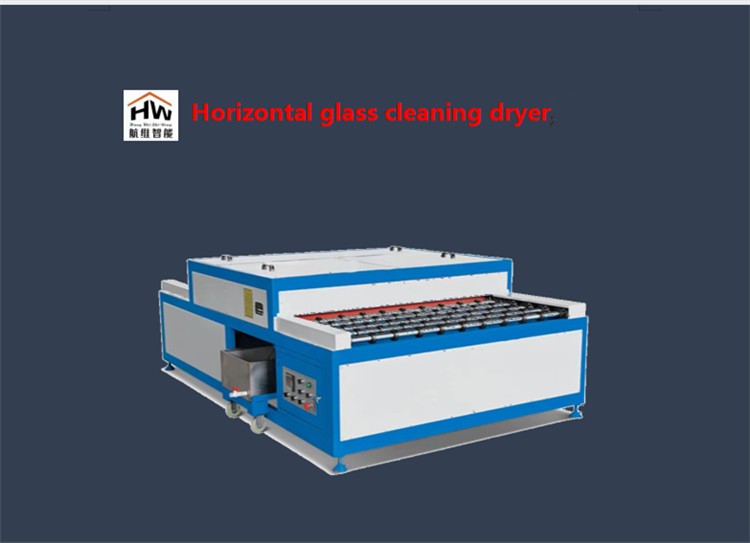
If you are interested in learning more about our Horizontal Glass Washing Machine, Double Glazing Machinery, or Automatic Insulating Glass Production Line, please feel free to contact us. We would be happy to discuss your specific requirements and provide you with a customized solution.

References
- "Filtration Systems for Glass Washing and Combining Lines." Glass Industry Magazine, Vol. XX, No. XX, 20XX.
- "The Importance of Water Filtration in Glass Processing." Journal of Glass Science and Technology, Vol. XX, No. XX, 20XX.
- "Choosing the Right Filtration System for Your Glass Washing and Combining Line." Glass Manufacturing Today, Vol. XX, No. XX, 20XX.