

What are the common faults of milling tenon equipment and how to solve them?
As a supplier of milling tenon equipment, I've encountered various challenges and issues that customers face during the operation of these machines. In this blog post, I'll share some common faults of milling tenon equipment and provide practical solutions to address them.
1. Poor Surface Finish
One of the most frequently reported problems is a poor surface finish on the tenons. This can manifest as rough, uneven surfaces or visible tool marks. Several factors can contribute to this issue:
Dull Cutting Tools
Dull cutting tools are a primary culprit for a poor surface finish. Over time, the cutting edges of the tools wear down, leading to increased friction and a less precise cut. To solve this problem, regularly inspect the cutting tools and replace them when they show signs of wear. It's also essential to use high - quality cutting tools that are suitable for the material being milled.
Incorrect Feed Rate and Spindle Speed
If the feed rate is too high or the spindle speed is too low, the cutting tools may not be able to remove the material cleanly, resulting in a rough surface. On the other hand, if the feed rate is too low or the spindle speed is too high, it can cause excessive heat and tool wear. To find the optimal feed rate and spindle speed, refer to the machine's manual and conduct test cuts on scrap material. Adjust the settings gradually until you achieve the desired surface finish.
Material Issues
The quality and type of the material being milled can also affect the surface finish. For example, materials with inconsistent hardness or grain structure may cause uneven cutting. Ensure that the material is of good quality and properly prepared before milling. If necessary, pre - machine the material to remove any surface irregularities.
2. Inaccurate Tenon Dimensions
Another common fault is inaccurate tenon dimensions. This can lead to fitment issues when assembling the parts. The following are some possible causes and solutions:
Tool Wear and Deflection
As mentioned earlier, tool wear can affect the accuracy of the cut. Additionally, if the cutting tools are not properly secured or if they are too long, they may deflect during the cutting process, resulting in dimensional errors. To prevent this, use rigid tool holders and ensure that the tools are firmly clamped. Regularly measure the tool dimensions and replace them when they deviate from the specifications.
Machine Alignment and Calibration
Misaligned or poorly calibrated machines can also cause inaccurate tenon dimensions. Check the machine's alignment regularly, including the table, spindle, and cutting tools. Use precision measuring tools to verify the accuracy of the machine's movements. If necessary, perform calibration procedures as described in the machine's manual.
Programming Errors
In CNC milling tenon equipment, programming errors can lead to incorrect tenon dimensions. Double - check the CNC programs for any errors in the tool path, cutting parameters, or coordinate values. It's also a good practice to simulate the machining process before running the actual program to identify and correct any potential issues.
3. Excessive Vibration
Excessive vibration during the milling process can not only affect the surface finish and dimensional accuracy but also cause premature wear of the machine components. Here are some reasons for excessive vibration and how to address them:
Unbalanced Cutting Tools
An unbalanced cutting tool can cause significant vibration. Check the balance of the cutting tools regularly and use a tool balancer to correct any imbalances. If the tool is severely unbalanced, it may need to be replaced.
Loose Machine Components
Loose bolts, nuts, or other machine components can also lead to vibration. Inspect the machine regularly and tighten any loose parts. Pay special attention to the tool holders, spindle bearings, and table clamps.
Improper Workpiece Fixing
If the workpiece is not properly fixed, it can move during the milling process, causing vibration. Use appropriate clamping devices to secure the workpiece firmly to the machine table. Ensure that the clamping force is evenly distributed to prevent deformation of the workpiece.

4. Chip Evacuation Problems
Poor chip evacuation can cause a variety of issues, such as increased tool wear, poor surface finish, and even machine damage. Here's how to deal with chip evacuation problems:
Incorrect Cutting Parameters
The feed rate, spindle speed, and depth of cut can all affect chip formation and evacuation. Adjust these parameters to ensure that the chips are broken into small, manageable pieces and can be easily removed from the cutting area. For example, increasing the feed rate slightly may help break the chips more effectively.
Insufficient Coolant or Lubrication
Coolant and lubrication play a crucial role in chip evacuation. They help reduce friction, lower the cutting temperature, and flush the chips away from the cutting area. Ensure that the coolant system is working properly and that the coolant is at the correct concentration. If necessary, use a high - pressure coolant system to improve chip evacuation.
Clogged Chip Conveyors
Chip conveyors are used to remove the chips from the machine. If they become clogged, the chips will accumulate in the cutting area, causing problems. Regularly clean the chip conveyors and check for any blockages. Replace any damaged or worn - out conveyor parts as needed.
5. Electrical and Control System Failures
Electrical and control system failures can bring the milling tenon equipment to a halt. Here are some common causes and solutions:
Faulty Electrical Components
Over time, electrical components such as relays, switches, and sensors can fail. Regularly inspect these components for signs of damage or wear, such as burnt contacts or loose connections. Replace any faulty components immediately to prevent further damage to the machine.
Software Glitches
In CNC machines, software glitches can cause unexpected behavior or errors. Keep the machine's control software up - to - date and perform regular backups. If you encounter a software problem, try restarting the machine and the control system. If the problem persists, contact the machine manufacturer's technical support for assistance.
Power Supply Issues
Unstable or interrupted power supply can damage the electrical components of the machine. Use a stable power source and consider installing a surge protector to protect the machine from power surges. If possible, use an uninterruptible power supply (UPS) to provide temporary power in case of a power outage.
Conclusion
Milling tenon equipment is a valuable tool in the woodworking and metalworking industries, but it can encounter various faults during operation. By understanding the common causes of these faults and implementing the appropriate solutions, you can ensure the smooth operation of your equipment, improve the quality of your products, and extend the lifespan of your machines.
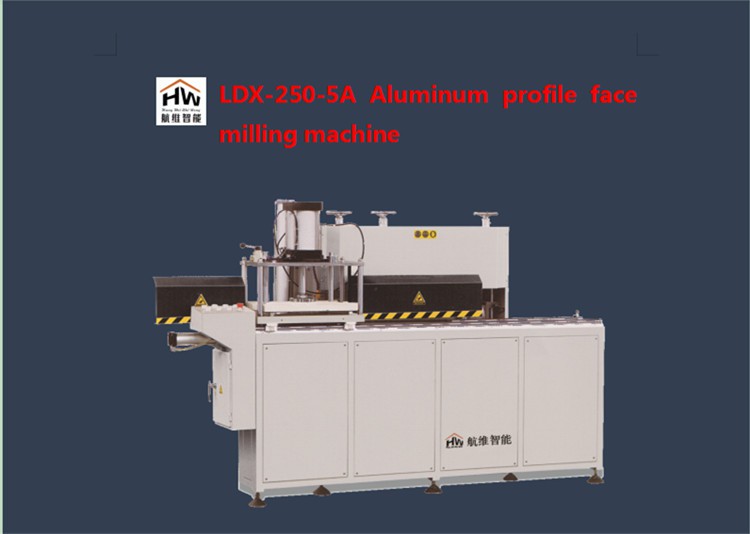
If you're experiencing any issues with your milling tenon equipment or are looking to purchase new equipment, we're here to help. We offer a wide range of high - quality milling tenon machines, including the Aluminum Profile Tenon Milling Machine, Aluminum End Milling Machine, and Profile End Milling Machine. Contact us today to discuss your specific needs and start a procurement negotiation.
References
- Machinery's Handbook, 31st Edition
- Woodworking Machinery: Operation, Maintenance, and Safety by John A. Scheidler
- Metal Cutting Handbook by Gerald Boothroyd and Peter Dewhurst