

How to optimize the drying process of a flat glass washing machine?
As a supplier of Flat Glass Washing Machines, I understand the critical role that the drying process plays in the overall performance and efficiency of these machines. A well - optimized drying process not only ensures high - quality glass products but also enhances the productivity of the entire glass manufacturing line. In this blog, I will share some effective strategies on how to optimize the drying process of a flat glass washing machine.
1. Understanding the Basics of the Drying Process
Before delving into optimization strategies, it is essential to understand the basic principles of the drying process in a flat glass washing machine. The main goal of the drying stage is to remove the remaining water on the glass surface after the washing process. This is typically achieved through a combination of mechanical and thermal methods.
Mechanical methods involve using air knives or squeegee rollers to physically remove the water from the glass surface. Air knives blow high - velocity air across the glass, pushing the water off. Squeegee rollers, on the other hand, come into direct contact with the glass and squeeze out the water. Thermal methods use heaters to increase the temperature of the air around the glass, which accelerates the evaporation of water.
2. Selecting the Right Drying Equipment
The choice of drying equipment is crucial for an efficient drying process. When it comes to air knives, consider their design and performance. High - quality air knives should be able to produce a uniform and powerful air stream. Look for air knives with adjustable air pressure and angle settings. This allows you to customize the air flow according to the specific requirements of different glass sizes and thicknesses.
Squeegee rollers also play a vital role. Opt for squeegee rollers made of high - quality rubber materials that have good elasticity and wear resistance. The hardness of the rubber should be carefully selected to ensure effective water removal without scratching the glass surface.
For thermal drying, choose heaters with precise temperature control. Infrared heaters are a popular choice as they can quickly transfer heat to the glass surface. Make sure the heaters are evenly distributed around the drying area to ensure uniform heating.
3. Optimizing Air Flow
Proper air flow is essential for efficient drying. To optimize air flow, first, ensure that the air intake and exhaust systems are unobstructed. Regularly clean the air filters to prevent dust and debris from blocking the air flow.
Adjust the angle and position of the air knives to direct the air stream precisely where it is needed. The air knives should be positioned close to the glass surface without touching it. A gap of about 2 - 5 mm is usually recommended.
In addition, consider using multiple air knives in a staggered arrangement. This can create a more comprehensive air flow pattern, effectively removing water from different parts of the glass surface.
4. Controlling Temperature and Humidity
Temperature and humidity have a significant impact on the drying process. In general, higher temperatures accelerate water evaporation, but it is important not to overheat the glass, as this can cause thermal stress and potentially damage the glass.
Maintain a stable temperature in the drying area. Use temperature sensors to monitor the temperature and adjust the heaters accordingly. A temperature range of 40 - 60°C is often suitable for most flat glass drying applications.
Humidity also needs to be controlled. High humidity can slow down the drying process. Consider using dehumidifiers in the drying area to reduce the moisture content in the air. This can significantly improve the drying efficiency, especially in areas with high ambient humidity.
5. Regular Maintenance of Drying Components
Regular maintenance is essential to keep the drying components in good working condition. Inspect the air knives regularly for any signs of damage or blockage. Clean the nozzles of the air knives to ensure a smooth air flow.
Check the squeegee rollers for wear and tear. Replace the squeegee rollers when they start to show signs of deterioration, such as cracks or loss of elasticity.
For heaters, check the electrical connections and heating elements regularly. Replace any faulty components promptly to avoid uneven heating or complete failure of the heating system.

6. Integration with the Overall Glass Production Line
The drying process should be well - integrated with the overall glass production line. Coordinate the speed of the glass conveyor with the drying process. If the glass moves too fast through the drying area, there may not be enough time for the water to be fully removed. On the other hand, if the glass moves too slowly, it can reduce the productivity of the entire line.
Ensure that the drying process is synchronized with other stages of the glass production, such as washing and coating. This can help to streamline the production process and improve the overall quality of the glass products.
7. Benefits of an Optimized Drying Process
An optimized drying process offers several benefits. Firstly, it improves the quality of the glass products. Completely dry glass surfaces are essential for subsequent processes such as coating and printing. Any remaining water can cause defects in these processes, such as uneven coating or poor adhesion.
Secondly, it enhances the productivity of the glass manufacturing line. Faster and more efficient drying means that more glass can be processed in a given time, reducing production costs and increasing profitability.
Finally, an optimized drying process can also contribute to energy savings. By using the right equipment and control strategies, you can reduce the energy consumption of the drying stage, making your glass production more environmentally friendly.
8. Related Products and Their Role in the Process
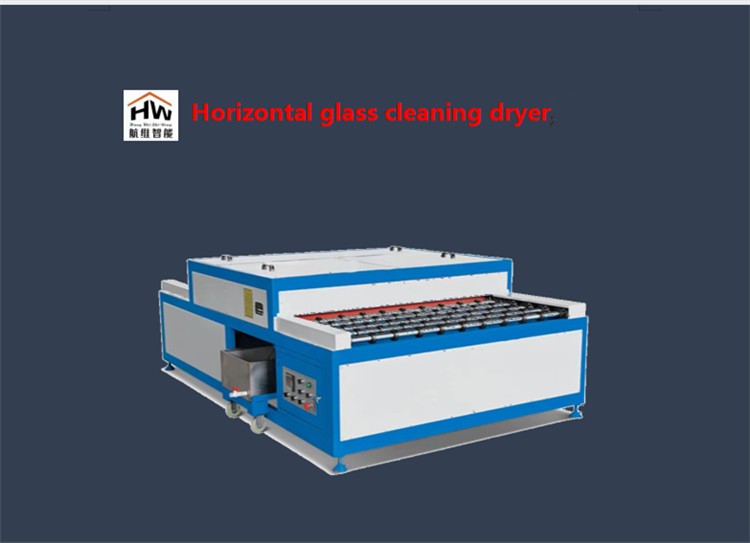
Our company offers a range of products that can be used in conjunction with the flat glass washing machine to further optimize the overall glass production process. The Horizontal Glass Washing Machine is designed for high - volume glass washing and drying. Its horizontal design allows for easy loading and unloading of glass, and it can be equipped with advanced drying systems for efficient water removal.
The Automatic Insulating Glass Production Line integrates the washing, drying, and other processes of insulating glass production. The optimized drying process in this line ensures that the glass is dry and clean before it is assembled into insulating glass units, which is crucial for the long - term performance of the insulating glass.
The Vertical Insulating Glass Production Line is another option for glass manufacturers. Its vertical design saves floor space and can also be equipped with efficient drying systems. The drying process in this line is carefully optimized to ensure that the glass is dried evenly, even in a vertical orientation.
9. Conclusion and Call to Action
In conclusion, optimizing the drying process of a flat glass washing machine is a multi - faceted task that involves selecting the right equipment, optimizing air flow, controlling temperature and humidity, and regular maintenance. By implementing these strategies, you can improve the quality of your glass products, enhance productivity, and save energy.
If you are interested in learning more about our flat glass washing machines or need advice on optimizing the drying process for your specific glass production needs, we invite you to contact us for a detailed discussion. Our team of experts is ready to provide you with customized solutions and support to help you achieve the best results in your glass manufacturing operations.
References
- Glass Manufacturing Handbook: Principles and Practices, John Wiley & Sons
- Handbook of Glass Drying Technology, CRC Press
- Advances in Glass Production Processes, Elsevier