

How to optimize the cutting path of an aluminum end milling machine?
As a supplier of Aluminum End Milling Machines, I understand the critical role that optimizing the cutting path plays in enhancing the efficiency, precision, and overall performance of these machines. In this blog post, I will share some valuable insights and strategies on how to optimize the cutting path of an aluminum end milling machine.
Understanding the Basics of Cutting Path Optimization
Before delving into the specific techniques, it's essential to understand the fundamental principles behind cutting path optimization. The primary goal is to minimize the time and energy required to complete a milling operation while maintaining the desired level of precision and surface finish. This involves carefully planning the tool's movement across the workpiece to reduce unnecessary tool travel, minimize tool wear, and maximize material removal rates.
Factors Affecting the Cutting Path
Several factors can influence the cutting path of an aluminum end milling machine. These include the geometry of the workpiece, the type of milling operation (e.g., face milling, peripheral milling, slot milling), the cutting tool characteristics (e.g., diameter, number of flutes, helix angle), and the machine's capabilities (e.g., spindle speed, feed rate, axis travel). By considering these factors, you can develop a cutting path that is tailored to the specific requirements of your application.
Strategies for Optimizing the Cutting Path
1. Use Computer-Aided Manufacturing (CAM) Software
One of the most effective ways to optimize the cutting path is by using CAM software. CAM software allows you to create a virtual model of the workpiece and the cutting tool and then generate a detailed cutting path based on your specified parameters. This software can take into account various factors, such as the tool's geometry, the material properties of the workpiece, and the desired surface finish, to generate an optimized cutting path that minimizes tool wear and maximizes material removal rates.

2. Minimize Tool Travel
Reducing the distance the tool travels during a milling operation can significantly improve efficiency. This can be achieved by carefully planning the cutting path to avoid unnecessary back-and-forth movements and by using techniques such as plunge milling or helical interpolation to quickly remove large amounts of material. Additionally, using a tool with a larger diameter can reduce the number of passes required to complete the milling operation, further minimizing tool travel.
3. Optimize Feed and Speed Rates
The feed and speed rates of the cutting tool play a crucial role in determining the efficiency and quality of the milling operation. By selecting the appropriate feed and speed rates based on the material properties of the workpiece, the cutting tool characteristics, and the desired surface finish, you can achieve optimal cutting performance. Generally, higher feed rates and lower spindle speeds are recommended for roughing operations, while lower feed rates and higher spindle speeds are suitable for finishing operations.
4. Use High-Speed Machining Techniques
High-speed machining (HSM) techniques can significantly improve the efficiency of aluminum end milling operations. HSM involves using high spindle speeds and feed rates to achieve faster material removal rates while maintaining good surface finish and dimensional accuracy. This technique requires the use of specialized cutting tools and machine tools capable of operating at high speeds. By implementing HSM techniques, you can reduce cycle times and increase productivity.
5. Consider Tool Path Strategies
There are several tool path strategies that can be used to optimize the cutting path of an aluminum end milling machine. These include zigzag, contour, raster, and spiral tool paths. Each strategy has its own advantages and disadvantages, and the choice of tool path will depend on the specific requirements of your application. For example, a zigzag tool path is suitable for roughing operations, while a contour tool path is ideal for finishing operations.
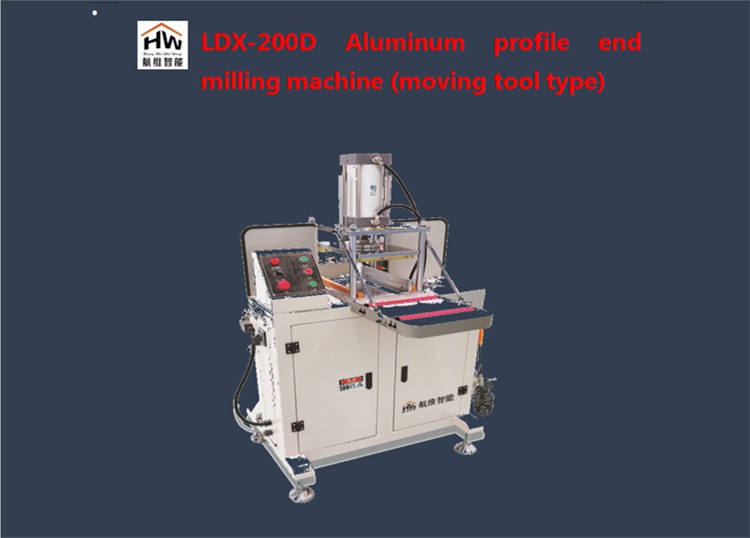
Benefits of Optimizing the Cutting Path
Optimizing the cutting path of an aluminum end milling machine offers several benefits, including:

- Increased Efficiency: By reducing the time and energy required to complete a milling operation, you can increase productivity and reduce production costs.
- Improved Precision: A well-optimized cutting path can help ensure that the workpiece is machined to the desired dimensions and surface finish, reducing the need for secondary operations.
- Extended Tool Life: Minimizing tool wear by optimizing the cutting path can extend the life of the cutting tool, reducing tooling costs.
- Enhanced Surface Finish: A smooth and uniform cutting path can result in a better surface finish on the workpiece, improving its appearance and functionality.
Conclusion
Optimizing the cutting path of an aluminum end milling machine is essential for achieving maximum efficiency, precision, and productivity. By understanding the factors that affect the cutting path and implementing the strategies outlined in this blog post, you can develop a cutting path that is tailored to the specific requirements of your application. Whether you are a small job shop or a large manufacturing facility, optimizing the cutting path of your aluminum end milling machine can help you stay competitive in today's market.
If you are interested in learning more about our Aluminum Alloy Tenon Milling Equipment, Aluminum Profile Tenon Milling Machine, or Milling Tenon Equipment, please feel free to contact us to discuss your specific needs and requirements. We look forward to working with you to optimize your cutting processes and achieve your manufacturing goals.
References
- Smith, J. (2020). Handbook of Machining Processes. CRC Press.
- Kalpakjian, S., & Schmid, S. R. (2019). Manufacturing Engineering and Technology. Pearson.
- DeVor, R. E., Kapoor, S. G., & Ziegert, J. C. (2012). Manufacturing Processes for Engineering Materials. Wiley.