

How to ensure the stability of milling tenon equipment during operation?
Hey there! As a supplier of Milling Tenon Equipment, I've seen firsthand how crucial it is to ensure the stability of these machines during operation. A stable milling tenon equipment not only guarantees high - quality workpieces but also extends the lifespan of the machine and boosts overall productivity. So, in this blog, I'll share some practical tips on how to keep your milling tenon equipment running smoothly.
1. Regular Maintenance Checks
Just like a car needs regular servicing, milling tenon equipment also requires consistent maintenance. One of the most basic yet important steps is to clean the machine regularly. Dust, chips, and debris can accumulate over time, causing blockages and affecting the machine's performance. Use a soft brush or compressed air to clean the cutting tools, spindles, and other key components.
Lubrication is another key aspect. Proper lubrication reduces friction between moving parts, which in turn decreases wear and tear. Check the lubrication levels frequently and use the recommended lubricants for different parts of the machine. For example, the spindle bearings usually require a high - quality grease, while the linear guides may need a specific type of oil.
Don't forget to inspect the belts and pulleys. Worn - out belts can slip, leading to inconsistent cutting speeds and poor tenon quality. If you notice any signs of wear, such as cracks or fraying, replace the belts immediately. Also, make sure the pulleys are properly aligned to avoid unnecessary stress on the belts.
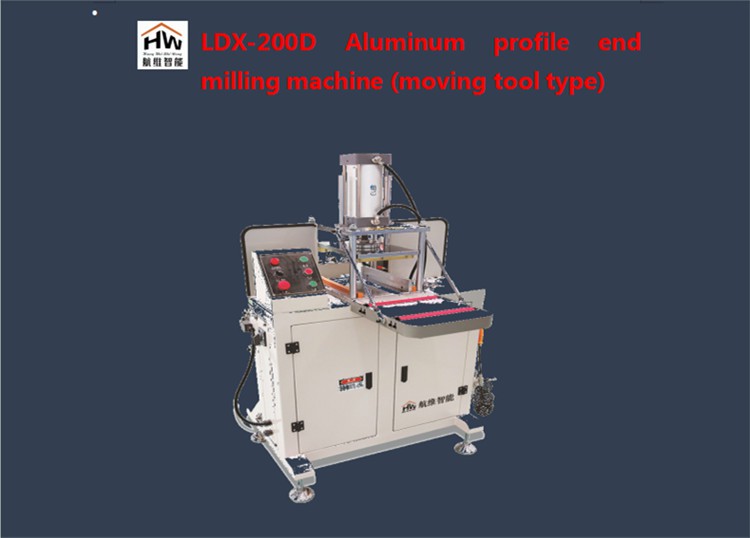

2. Correct Installation and Setup
The way you install and set up your milling tenon equipment can have a huge impact on its stability. First of all, choose a suitable location for the machine. It should be on a flat, stable surface to prevent vibrations during operation. A wobbly surface can cause the machine to move around, resulting in inaccurate cuts and potential damage to the equipment.
When installing the machine, follow the manufacturer's instructions carefully. This includes properly connecting all the electrical and mechanical components. Incorrect wiring can lead to electrical malfunctions, while loose mechanical connections can cause parts to come loose during operation.
Calibration is also essential. Before starting any production, make sure to calibrate the cutting tools and the machine's axes. This ensures that the tenons are cut to the correct dimensions and angles. You can use precision measuring tools, such as micrometers and angle gauges, to verify the calibration.
3. Quality Cutting Tools
Using high - quality cutting tools is non - negotiable if you want stable operation. Inferior cutting tools can break easily, causing uneven cuts and potentially damaging the machine. When selecting cutting tools, consider factors like the material of the workpiece, the cutting speed, and the feed rate.
For example, if you're milling aluminum profiles, you'll need cutting tools that are specifically designed for aluminum. These tools usually have a sharp edge and a special coating to reduce friction and prevent the material from sticking to the tool.
Keep an eye on the wear of the cutting tools. As the tools wear down, the quality of the tenons will decline. Replace the tools at the first sign of excessive wear. You can also sharpen the tools regularly to extend their lifespan, but make sure to follow the correct sharpening procedures.
4. Operator Training
Even the best - maintained and high - quality milling tenon equipment can't perform well if the operator doesn't know how to use it properly. That's why operator training is so important. Make sure your operators are familiar with the machine's controls, safety features, and operating procedures.
Train them on how to load and unload workpieces correctly. Improper loading can cause the workpiece to shift during cutting, leading to inaccurate tenons and potential safety hazards. Teach them to adjust the cutting parameters, such as the speed and feed rate, according to the material and the requirements of the tenon.
Safety training is also a must. Operators should know how to use personal protective equipment (PPE), such as safety glasses and gloves. They should also be aware of the potential hazards associated with the machine, such as moving parts and flying chips, and how to avoid them.
5. Monitoring and Feedback
Implement a monitoring system to keep track of the machine's performance. You can use sensors to measure parameters like temperature, vibration, and cutting force. Unusual spikes in these parameters can indicate potential problems with the machine.
For example, if the temperature of the spindle bearing suddenly rises, it could mean that there's a problem with the lubrication or the bearing itself. By detecting these issues early, you can take corrective action before they cause major damage to the machine.
Collect feedback from the operators. They are the ones who are using the machine on a daily basis, so they can provide valuable insights into its performance. Encourage them to report any problems or suggestions for improvement.
6. Use of Appropriate Workpieces
The type and quality of the workpieces you use can also affect the stability of the milling tenon equipment. Make sure the workpieces are made of suitable materials. For example, if you're using the Aluminum Profile Tenon Milling Machine, the profiles should be made of high - quality aluminum with consistent thickness and hardness.
Inspect the workpieces before loading them onto the machine. Any defects, such as cracks or warping, can cause problems during cutting. If possible, straighten or repair the workpieces before processing.
7. Upgrading and Modernization
As technology advances, consider upgrading your milling tenon equipment. Newer models often come with improved features and better stability. For example, the Aluminum Profile CNC Tenon Milling Machine offers more precise control and automation, which can enhance the stability and accuracy of the cutting process.
You can also upgrade some of the components of your existing machine. For example, replacing the old control system with a more advanced one can improve the machine's performance and reliability.
In conclusion, ensuring the stability of milling tenon equipment during operation requires a combination of regular maintenance, correct installation, quality cutting tools, operator training, monitoring, and appropriate use of workpieces. By following these tips, you can keep your machine running smoothly and produce high - quality tenons consistently.
If you're in the market for high - quality milling tenon equipment, whether it's an Aluminum Profile Tenon Milling Machine, a Profile End Milling Machine, or an Aluminum Profile CNC Tenon Milling Machine, we've got you covered. We're committed to providing top - notch equipment and excellent after - sales service. If you have any questions or are interested in a purchase, feel free to reach out for a detailed discussion.
References
- "Milling Machine Operation and Maintenance Guide" by Industrial Machinery Press
- "Cutting Tool Technology for Precision Milling" by Tooling Experts Publishing