

How to choose the appropriate cutter for milling tenon equipment?
Hey there! As a supplier of Milling Tenon Equipment, I often get asked about how to choose the appropriate cutter for this kind of equipment. It's a crucial question because the right cutter can significantly impact the performance and quality of your milling tenon work. So, let's dive right into it.
Understanding the Basics of Milling Tenon Cutters
First off, it's important to know what milling tenon cutters are and what they do. These cutters are specifically designed to create tenons, which are projections on the end of a piece of wood or other materials that fit into a corresponding mortise (a slot or hole) to form a strong joint. They come in various shapes, sizes, and materials, each suited for different types of milling tenon jobs.
Factors to Consider When Choosing a Cutter
1. Material of the Workpiece
The material you're working with is one of the most important factors in choosing a cutter. Different materials have different hardness and abrasiveness, which require different cutter materials and geometries.
- Wood: For wood, high - speed steel (HSS) cutters are a popular choice. They are relatively inexpensive and can handle a wide range of wood types, from softwoods like pine to hardwoods like oak. Carbide - tipped cutters are also great for wood, especially when you need a longer tool life and a cleaner cut. They can cut through dense woods more easily and are less likely to dull quickly.
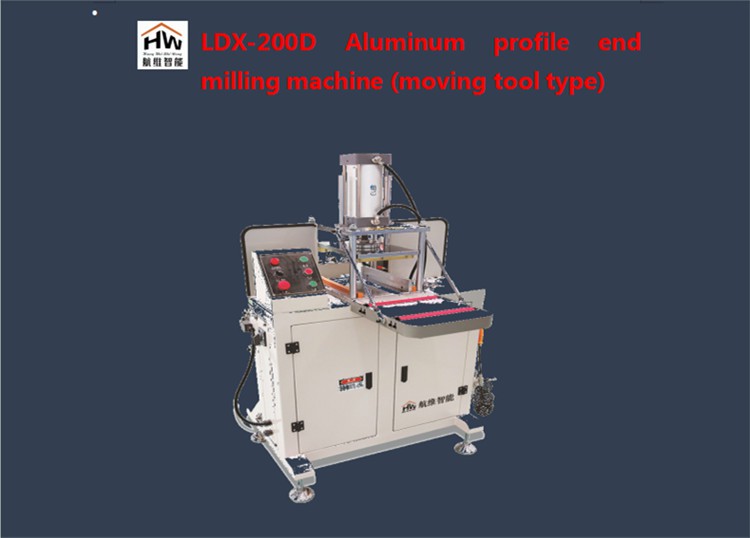
- Aluminum: When working with aluminum, carbide cutters are the way to go. Aluminum is a soft metal, but it can be gummy, and carbide cutters can handle the heat generated during the cutting process better than HSS cutters. They also provide a smoother finish on the aluminum surface. You can check out our Aluminum Profile Tenon Milling Machine for more details on milling aluminum profiles.
- Plastic: For plastic materials, you can use either HSS or carbide cutters. However, the geometry of the cutter is crucial. A cutter with a sharp edge and a proper rake angle can prevent the plastic from melting or chipping during the cutting process.
2. Tenon Size and Shape
The size and shape of the tenon you need to create will also determine the type of cutter you should choose.
- Size: Cutters come in different diameters and widths. You need to select a cutter that matches the size of the tenon you want to mill. For example, if you need to create a narrow tenon, you'll need a cutter with a small width.
- Shape: Tenons can have various shapes, such as square, rectangular, or dovetail. There are specific cutters available for each shape. For square and rectangular tenons, straight - edge cutters are commonly used. Dovetail tenons, on the other hand, require specialized dovetail cutters.
3. Cutting Speed and Feed Rate
The cutting speed and feed rate of your milling tenon equipment are important considerations. These parameters are related to the type of cutter and the material being cut.
- Cutting Speed: The cutting speed is the speed at which the cutter rotates. Different cutter materials and workpiece materials require different cutting speeds. For example, carbide cutters can generally handle higher cutting speeds than HSS cutters. If the cutting speed is too low, the cutter may not cut efficiently, and if it's too high, the cutter may overheat and wear out quickly.
- Feed Rate: The feed rate is the speed at which the workpiece is fed into the cutter. It should be adjusted according to the cutting speed and the type of cutter. A proper feed rate ensures a clean cut and prolongs the life of the cutter.
4. Machine Compatibility
Your milling tenon equipment has specific requirements for the cutters it can use. You need to make sure that the cutter you choose is compatible with your machine.
- Shank Size: The shank of the cutter must fit into the spindle of your machine. Common shank sizes include 1/4 inch, 1/2 inch, etc. Make sure you know the shank size requirements of your Milling Tenon Equipment before purchasing a cutter.
- Power and Torque: The power and torque of your machine also play a role. A more powerful machine can handle larger and more aggressive cutters. If you try to use a cutter that is too large for your machine, it may cause the machine to stall or damage the cutter.
Types of Milling Tenon Cutters
1. Straight Cutters
Straight cutters are the most basic type of milling tenon cutters. They have a straight cutting edge and are used to create square or rectangular tenons. They are available in different diameters and widths, allowing you to create tenons of various sizes.
2. Dovetail Cutters
Dovetail cutters are designed to create dovetail - shaped tenons. These tenons are known for their strength and are commonly used in woodworking projects such as drawers and cabinets. Dovetail cutters come in different angles, such as 1:6 or 1:8, to match the desired dovetail angle.
3. Router Bits
Router bits are another type of cutter that can be used for milling tenons. They are often used in router tables or handheld routers. Router bits come in a wide variety of shapes and sizes, including straight bits, dovetail bits, and profiling bits. You can use them to create different types of tenons and decorative edges.

Tips for Maintaining Your Cutters
- Cleaning: After each use, clean the cutter thoroughly to remove any chips, dust, or debris. You can use a brush or compressed air to clean the cutter.
- Sharpening: Regularly sharpen your cutters to maintain their cutting performance. You can use a sharpening stone or a professional sharpening service.
- Storage: Store your cutters in a dry and clean place. You can use a cutter storage case to protect them from damage.
Conclusion
Choosing the appropriate cutter for your milling tenon equipment is not a simple task, but by considering factors such as the material of the workpiece, tenon size and shape, cutting speed and feed rate, and machine compatibility, you can make an informed decision. If you're still not sure which cutter is right for your project, don't hesitate to reach out to us. We're here to help you select the best cutter for your Milling Tenon Equipment and ensure that you get the best results from your milling tenon work. Whether you're a professional woodworker or a DIY enthusiast, we've got the right solutions for you. Contact us today to start a procurement negotiation and take your milling tenon projects to the next level!
References
- "Modern Woodworking Machinery" by Woodworking Machinery Manufacturers Association
- "Cutting Tool Engineering Handbook" by Society of Manufacturing Engineers