

Can double glazing machinery work with different types of glass?
In the modern construction and home improvement industries, double glazing has become a popular choice for its energy - efficiency, noise reduction, and aesthetic appeal. As a leading supplier of Double Glazing Machinery, we often receive inquiries about whether our machinery can work with different types of glass. This blog post aims to comprehensively address this question, exploring the compatibility of our double glazing machinery with various glass materials.
Understanding Different Types of Glass
Before delving into the compatibility of double glazing machinery with different glass types, it's essential to understand the common types of glass used in double glazing.

- Float Glass: This is the most basic and widely used type of glass. It is made by floating molten glass on a bed of molten tin, resulting in a smooth and uniform surface. Float glass is relatively inexpensive and provides good clarity, making it a popular choice for general double glazing applications.
- Tempered Glass: Tempered glass is a type of safety glass that is processed by controlled thermal or chemical treatments to increase its strength compared to ordinary float glass. When broken, it shatters into small, relatively harmless pieces, which makes it suitable for areas where safety is a concern, such as doors and low - level windows.
- Laminated Glass: Laminated glass consists of two or more layers of glass bonded together with an interlayer, usually polyvinyl butyral (PVB). This interlayer holds the glass fragments together when the glass is broken, providing additional safety and security. Laminated glass is also effective in reducing noise and blocking UV rays.
- Low - E Glass: Low - emissivity (Low - E) glass has a special coating that reduces the amount of heat transfer through the glass. It can reflect infrared radiation while allowing visible light to pass through, making it an excellent choice for energy - efficient double glazing, especially in regions with extreme temperatures.
Compatibility of Double Glazing Machinery with Different Glass Types
Glass Washing Machines
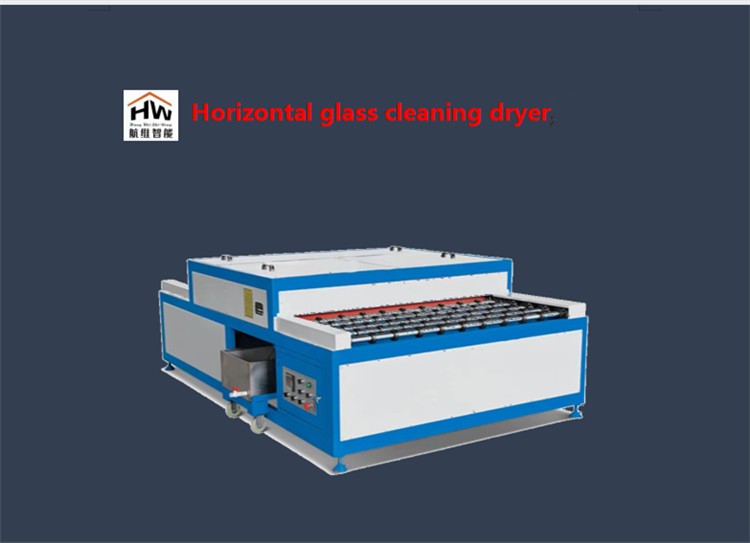
Vertical Glass Washing Machine and Horizontal Glass Washing Machine are essential components of the double glazing production process. These machines are designed to clean the glass surfaces thoroughly before the glazing process.
Our glass washing machines are highly versatile and can handle different types of glass. Float glass, with its smooth surface, is easily cleaned by our washing machines. The brushes and water jets are adjusted to ensure a gentle yet effective cleaning process. Tempered glass, despite its increased strength, can also be processed without any issues. The machines are equipped with sensors and adjustable settings to accommodate the different thicknesses and properties of tempered glass.
Laminated glass, with its multiple layers and interlayer, requires a more careful cleaning approach. Our washing machines are designed to clean the outer surfaces of laminated glass without damaging the interlayer. The water pressure and brush hardness can be adjusted to suit the specific requirements of laminated glass.
Low - E glass, on the other hand, has a delicate coating that needs to be protected during the cleaning process. Our glass washing machines are equipped with soft brushes and a gentle water flow system to ensure that the Low - E coating remains intact while the glass is being cleaned.
Sealing and Assembly Machines
The sealing and assembly machines in our double glazing production line are also compatible with different glass types. When assembling double - glazed units, the machines need to handle the glass panels precisely and apply the sealant evenly.
Float glass, being the most common type, is easily accommodated by our sealing and assembly machines. The machines can adjust the pressure and speed according to the thickness of the float glass to ensure a proper seal.
Tempered glass, due to its unique properties, requires a slightly different approach. Our machines are calibrated to handle the increased strength and potential thermal stress of tempered glass. The sealing process is adjusted to ensure that the sealant adheres properly to the tempered glass surface without causing any damage.
Laminated glass, with its multiple layers, requires a more precise alignment during the assembly process. Our machines are equipped with advanced alignment systems that can accurately position the laminated glass panels to create a perfect double - glazed unit.
Low - E glass, with its special coating, needs to be handled carefully during the sealing process. The machines are designed to apply the sealant in a way that does not damage the Low - E coating. The sealant is chosen to be compatible with the Low - E glass to ensure long - term performance.
Advantages of Using Our Double Glazing Machinery with Different Glass Types
- Flexibility in Production: Our double glazing machinery allows manufacturers to work with a wide range of glass types, giving them the flexibility to meet different customer demands. Whether it's a standard float glass double - glazed unit for a residential project or a high - performance Low - E glass unit for a commercial building, our machinery can handle it all.
- High - Quality Output: The compatibility of our machinery with different glass types ensures that the double - glazed units produced are of high quality. The precise cleaning, sealing, and assembly processes result in units that are airtight, watertight, and have excellent thermal and acoustic properties.
- Cost - Efficiency: By using our machinery to work with different glass types, manufacturers can optimize their production processes and reduce costs. They can choose the most suitable glass type for each project based on cost and performance requirements, without having to invest in multiple sets of machinery.
Conclusion
In conclusion, our double glazing machinery is highly compatible with different types of glass, including float glass, tempered glass, laminated glass, and Low - E glass. The glass washing machines, sealing and assembly machines, and other components of our production line are designed to handle the unique properties of each glass type, ensuring a high - quality and efficient production process.
If you are in the market for double glazing machinery that can work with different types of glass, look no further. Our state - of - the - art machinery offers the flexibility, quality, and cost - efficiency you need for your double glazing production. We invite you to contact us for more information and to discuss your specific requirements. Our team of experts is ready to assist you in choosing the right machinery for your business and to provide you with the best solutions for your double glazing production needs.
References
- Glass Association of North America. (2023). Types of Glass for Windows.
- International Glazing Association. (2023). Double Glazing Technology and Best Practices.